What Is Testosterone Booster Food? The Honest Answer
Every list of hormone-friendly foods is really two lists stapled together: a short one supported by nutrition science, and a long one supported by an article that copied another article.

Quick answer: what is testosterone booster food?
It is a marketing phrase for foods rich in the nutrients your body needs to make hormones normally — mainly zinc, vitamin D, magnesium, and enough dietary fat and protein overall. Oysters, shellfish, oily fish, eggs, red meat, nuts, seeds and dark leafy greens are the standard list, and eating them supports normal hormone production when your intake of those nutrients is genuinely low. In a man who is already well nourished, no single food has been shown to push testosterone higher, and the phrase promises considerably more than the human evidence delivers.
- Correction, not elevation. The evidence supports fixing a shortfall. It does not support pushing a normal level upward with breakfast.
- The pattern beats the item. Body fat, alcohol intake and overall energy balance influence male hormones far more than any hero food does.
- Most viral foods are animal data. Onion, garlic and ginger claims trace back to rodent studies that were never reproduced in men.
Search interest in this question is enormous, and the reason is sensible enough: food feels safer than pills, cheaper than a clinic and more within your control than either. The problem is that the food lists circulating online were assembled by copying, not by reading, and a mechanism that works in a petri dish has a habit of arriving on a plate wearing a promise it cannot keep.
Where the phrase came from, and why it oversells itself
Hormone production genuinely does depend on nutrition. Cholesterol is the raw material for steroid hormones, several enzymes in the pathway need zinc, and vitamin D receptors turn up in tissue throughout the male reproductive system. That is real biochemistry, and it is the foundation the phrase is built on.
The leap happens in the next sentence. Because a nutrient is required for a process, it does not follow that more of it accelerates that process. Beyond the point where a system has enough, additional supply usually does nothing at all — the body is not a factory that speeds up when you deliver extra raw material to a warehouse that is already full. This is the single most common error in the entire supplement aisle, and food lists inherit it wholesale.
So the honest framing is a floor rather than a ceiling. Eating badly enough for long enough can interfere with normal hormone production. Eating well removes that interference. Neither of those facts turns a plate of oysters into an intervention, and a man whose diet is already adequate should expect food changes to do very little for his hormones specifically — while still doing a great deal for his energy, body composition and cardiovascular health, which is usually what he actually cares about.
What is testosterone booster food actually made of? The nutrients that matter
Strip the lists down and four things are doing the work.
Zinc. The strongest case in the group, because zinc is genuinely required for normal reproductive function and a real deficiency has measurable consequences. Shellfish, red meat, poultry, beans, nuts and seeds carry it. The important qualifier is that this matters where intake is low; supplementing a man who already eats plenty does not appear to add anything, and very high intakes over time interfere with copper absorption.
Vitamin D. Low status is common, particularly at high latitudes and in men who work indoors, and receptors for it are widespread. Oily fish, egg yolks and fortified foods contribute, though sunlight does most of the work for most people. The trial evidence on hormones is genuinely mixed, and the defensible use is correcting a documented shortfall rather than dosing on principle.
Magnesium. Involved in hundreds of enzymatic reactions, plentiful in nuts, seeds, legumes and dark greens, and commonly under-consumed. The specific hormone evidence is thin and mostly confined to small studies in athletes, so treat it as general nutrition rather than as a lever.
Total fat and total energy. This is the underrated one. Very low fat diets and sustained under-eating are both associated with lower testosterone in men, which makes the aggressive cutting phase a far more likely culprit than any missing superfood. Adequate dietary fat is not optional equipment.
The evidence table: foods, nutrients and how strong the support really is
The column that matters most is the last one. It is also the column that food lists almost never publish.
| Food or group | Relevant nutrient or compound | What the human evidence supports | Strength |
|---|---|---|---|
| Oysters, shellfish, crab | Zinc, selenium | Supports normal reproductive function where zinc intake is low | Moderate, conditional on shortfall |
| Oily fish, egg yolks, fortified dairy | Vitamin D, omega-3 fats | Corrects low vitamin D status; hormone findings are mixed | Mixed |
| Red meat and poultry | Zinc, iron, protein, L-carnitine | Supports overall nutrition and lean mass alongside training | Moderate for nutrition, weak for hormones specifically |
| Nuts, seeds, legumes, dark greens | Magnesium, healthy fats | Supports general metabolic health; a common intake gap | Weak for hormones, strong for overall diet quality |
| Olive oil, avocado, whole eggs | Monounsaturated and saturated fats | Very low fat intake is associated with lower testosterone in men | Moderate, mostly observational |
| Pomegranate, watermelon, beetroot | Polyphenols, citrulline, dietary nitrate | Circulation and blood flow endpoints rather than hormones | Modest, and often a different endpoint than advertised |
| Onion, garlic, ginger | Sulphur compounds, gingerols | Almost entirely rodent work; not reproduced in men | Very weak |
| Alcohol | Ethanol | Heavy and chronic intake is associated with lower testosterone | Reasonably consistent, and it points downward |
| Soy foods | Isoflavones | Pooled human evidence does not show a meaningful effect at normal intakes | The concern is weaker than the internet suggests |
When food has done what food can do
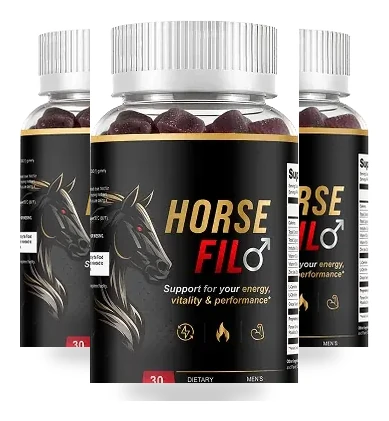
Plenty of men arrive at the best over the counter male testosterone booster searches after the diet is already reasonable, and what they are chasing is energy and stamina rather than a laboratory number. HorseFil is the men's energy and vitality formula this site covers, built around circulation and adaptogen ingredients rather than hormonal ones. We will not pretend it is more than that, but if that is the shelf you meant, the official store lists current supply options and its own guarantee terms.
See It at the Official StoreAd · independent affiliate page · confirm every term on the store's own checkout
The dietary factors that genuinely move the needle
If you want the parts of eating that have the best claim on male hormonal health, they are unglamorous and none of them is a food.
Body fat. Adipose tissue is metabolically active and converts a portion of circulating testosterone to oestradiol, which is why excess body fat and lower testosterone travel together so reliably in observational data. Losing meaningful fat mass is the single dietary change with the most consistent association behind it, and it is also the one nobody wants to hear.
Alcohol. Heavy, chronic intake is associated with lower testosterone through several plausible routes, including direct effects on the testes and on the liver. Occasional moderate drinking is a different question with a much weaker signal, but the pattern at the heavy end is not seriously disputed.
Eating enough. Chronic energy deficit suppresses reproductive hormones. This is well described in endurance athletes and it applies to any man who has been dieting hard for months while training hard as well. If you are simultaneously under-eating and searching for a hormone supplement, the supplement is not the missing piece.
Diet quality overall. Patterns high in ultra-processed food and low in fibre track with worse metabolic health, and metabolic health and male hormones are entangled. This is a slow, cumulative, entirely unexciting lever, which is precisely why it works.
Nobody sells a food list called eat less, drink less and lose twelve pounds. That is unfortunate, because it would outperform every hero food on the internet combined.
Foods that get credited on very thin evidence
Four names appear on nearly every list and deserve a closer look before you rearrange your shopping around them.
Onion and garlic. The claim traces to rodent studies, some of which used extracts at concentrations no human diet reaches. Nothing comparable has been demonstrated in men. Eat them because they make food taste good.
Ginger. Same pattern. A body of animal work, a promising mechanism story, and human trials that are few, small and inconsistent.
Pomegranate and watermelon. These do have interesting human data, but mostly on blood flow and circulation via nitrate and citrulline pathways rather than on hormones. That is a real benefit being filed under the wrong heading, which is arguably worse than no benefit at all.
Celery. Included on the basis of laboratory work on plant compounds, with essentially nothing in men. It survives on repetition.
None of these foods is harmful and all of them belong in a good diet. The objection is to the framing, because a man who believes garlic is doing hormonal work is a man not addressing the four factors in the previous section.
What food cannot do
This is the limits section, and it is the part most food articles leave out.
Diet cannot diagnose anything. Genuinely low testosterone is established with repeated morning blood tests interpreted alongside symptoms, and it is managed by a doctor. No eating pattern substitutes for that assessment, and self-treating a suspected clinical problem with a shopping list wastes the months in which it could have been investigated properly.
Food also cannot outrun the big variables. Sleep loss, chronic stress, prescribed medication and untreated medical conditions all influence male hormones, and none of them is on a menu. A man sleeping five hours a night has a bigger lever available than anything in his fridge.
And the effect sizes deserve honesty. Where nutrition studies do report changes, they tend to be modest and to occur in men who started with a deficiency. If your intake is already adequate, the realistic expectation from optimising food specifically for hormones is close to nothing — which is not an argument against eating well, only against expecting eating well to function as a supplement.
Finally, nothing here is medical advice, and no food or dietary supplement diagnoses, treats, cures or prevents any disease. If symptoms are affecting your life, that is a clinician's conversation.
Where a supplement fits, and where HorseFil sits
A supplement is a reasonable addition after the food and lifestyle basics are handled, and an expensive distraction before that. If you have got the diet reasonable, the alcohol moderate and the sleep defensible, and you still feel flat, that is a sensible point to consider something in a bottle — with clear eyes about what class of product it actually is.
HorseFil names L-citrulline, L-carnitine, panax ginseng, maca root, rhodiola and grape seed extract. Read that list against the table above and the picture is consistent: these are circulation, cellular energy and adaptogen ingredients. Citrulline connects to the same blood flow pathway as watermelon, carnitine to the same one as red meat, maca to the small desire-and-energy literature. It is a men's energy and stamina formula, not a hormonal one, and we would rather say so than let the aisle imply otherwise.
If you are weighing products rather than groceries, the useful next step is checking whether the amounts on a label match the amounts used in research, which we work through in dose-matching a testosterone booster to real study amounts. And if the formula you are looking at merges hormonal and libido claims into one bottle, we take that combination apart in combined testosterone and libido formulas. One practical warning worth repeating: panax ginseng has documented interactions with anticoagulants such as warfarin and can influence blood glucose, so if you take prescription medication, ask a pharmacist before you buy anything from anyone.
Check the Official Store See the full ingredient list
Frequently asked questions
What is testosterone booster food?
It is a marketing phrase for foods rich in nutrients the body needs to make hormones normally, mainly zinc, vitamin D, magnesium and adequate dietary fat and protein. Oysters, shellfish, oily fish, eggs, red meat, nuts, seeds and leafy greens are the usual list. Eating them supports normal hormone production when intake is genuinely low, but no food raises testosterone in a man who is already well nourished.
Which foods have the strongest evidence behind them?
Foods that correct a real nutrient shortfall have the best case, which in practice means zinc from shellfish and meat, vitamin D from oily fish and fortified foods, and magnesium from nuts, seeds and greens. The evidence for any single food acting on hormones independently of overall nutrition is weak, and much of it comes from animal studies rather than from men.
Does soy lower testosterone in men?
Pooled human evidence does not support that idea at normal dietary intakes. The concern came from laboratory and animal work on isoflavones, and it did not reproduce in men eating ordinary amounts of soy foods. It is one of the clearest examples of a mechanism story travelling further than the human data behind it.
Can diet alone fix low testosterone?
No. Genuinely low testosterone is a clinical diagnosis made from repeated morning blood tests and managed by a doctor, and no eating pattern substitutes for that assessment. What diet can realistically do is remove the obstacles: excess body fat, heavy alcohol intake, very low fat intake and chronic under-eating all sit between a man and his own normal hormone production.
Where to check this yourself
- NIH Office of Dietary Supplements — zinc consumer fact sheet
- NIH Office of Dietary Supplements — magnesium consumer fact sheet
- Mayo Clinic — nutrition and healthy eating basics
- Harvard Health — men's health topic hub
- PubMed — published work on diet, body composition and testosterone in men
These are standing reference resources rather than citations of individual trials. We point you at the bodies that maintain the evidence summaries so you can check the current position yourself, rather than at a snapshot that ages.