Best Blood Sugar Supplement Brand: Third-Party Testing Basics
Nobody approves a supplement before it reaches a shelf. That single fact decides how you have to shop — and it moves the whole question away from marketing copy and onto manufacturing standards, independent laboratory marks and what a label is legally allowed to hide.
Quick answer: how do you separate a serious brand from a shelf-filler?
There is no officially designated best blood sugar supplement brand, because in the United States no agency approves a dietary supplement before it goes on sale. The nearest thing to a real quality signal is a manufacturer that operates under current Good Manufacturing Practice rules and then pays an independent laboratory — USP, NSF or a comparable programme — to confirm that the contents match the printed label. Everything else on the carton is copywriting.
- Check the factory standard. Supplement manufacturing is governed by cGMP rules in 21 CFR Part 111. That is a legal floor for identity, purity and record-keeping, not a distinction.
- Check for an outside laboratory. A USP Verified, NSF Certified or Informed Choice mark means somebody with no stake in the sale opened the bottle and measured it.
- Do not confuse either with effectiveness. A verification mark tells you the ingredient is present at the stated amount. It says nothing whatsoever about whether that ingredient supports healthy glucose metabolism in you.
Search for glucose support and the results arrange themselves into a beauty contest: shiny seals, confident superlatives, a lot of gold foil. Almost none of it is verifiable from the outside. So this page does something narrower and more useful — it explains the small number of things about a manufacturer that can actually be checked before you spend money, and it is honest about how little those checks predict.
Why "brand" carries more weight in supplements than in almost any other aisle
Under the Dietary Supplement Health and Education Act of 1994, supplements are regulated as a category of food rather than as drugs. The practical consequence is the part most buyers never internalise: a company does not have to prove to a regulator that a product works, or even that it contains what the label says, before selling it. Enforcement is mostly reactive. The agency acts after a problem surfaces, not before a product ships.
That is not a scandal, it is simply the architecture. But it moves the entire burden of quality control onto the manufacturer's own discipline — which is exactly why the brand behind the bottle matters here far more than it matters when you buy paracetamol or a tin of beans. Two glucose-support products with identical ingredient lists can be genuinely different objects, because one company assays every incoming raw material and the other trusts a supplier's certificate and hopes.
It also explains the odd shape of the market. When nobody can legally claim their product lowers anything, competition migrates to the only ground left: packaging, urgency and the word "clinically". Learning to ignore that layer is most of the skill.
cGMP is a legal floor, not an achievement
Current Good Manufacturing Practice for dietary supplements lives in 21 CFR Part 111. It requires a manufacturer to establish specifications for identity, purity, strength and composition, to test or verify incoming components, to keep batch records, to control contamination and to handle complaints in a documented way. Facilities are subject to inspection.
Every legitimate manufacturer in the country is already required to do this. So a "GMP Certified" badge on a sales page is telling you the company meets a baseline it was never allowed to fall below. It is worth something — a firm that advertises the standard has at least read it — but treating it as a mark of distinction is a mistake, and the same goes for "FDA Registered Facility", which means the facility told the agency it exists. Registration is a mailbox, not an endorsement.
A badge that describes compliance with a mandatory rule is not evidence of quality. It is evidence that somebody in the marketing department knows which rules sound impressive when printed in a circle.
What would actually distinguish a manufacturer is voluntary, costs money and is therefore rare: independent verification of finished batches by a laboratory that does not work for them.
The independent marks that mean something, and precisely what each one covers
Four programmes turn up often enough on glucose-support and men's formulas to be worth recognising on sight. They verify different things, and none of them verifies the thing most shoppers assume.
| Programme | What it actually verifies | What it does not touch | Verification strength |
|---|---|---|---|
| USP Verified | Ingredient identity and amount against the label, absence of specified contaminants, acceptable disintegration, manufacture under GMP conditions | Whether the ingredient does anything at all | Highest of the four; also the rarest on supplement shelves |
| NSF (ANSI/NSF 173) | Label content accuracy, contaminant screening, facility audit | Clinical effect; formulation logic | High, and more commonly seen than USP |
| NSF Certified for Sport | Everything above plus screening for substances banned in competitive sport | Clinical effect | High, but aimed at athletes rather than glucose buyers |
| Informed Choice / Informed Sport | Batch-level screening for banned substances | Whether the active ingredients are present at label amounts | Narrow — a contamination check, not a content check |
| Company's own "lab tested" wording | Nothing defined. There is no standard behind the phrase | Everything | None until a certificate is produced |
Notice the pattern. Every one of these marks answers the question is the label honest. Not one of them answers does this work. When a page tells you it sells the best blood sugar supplement brand because it is third-party tested, it is answering a question you did not ask with a fact you should still want.
Looking at glucose support because your energy is flat?
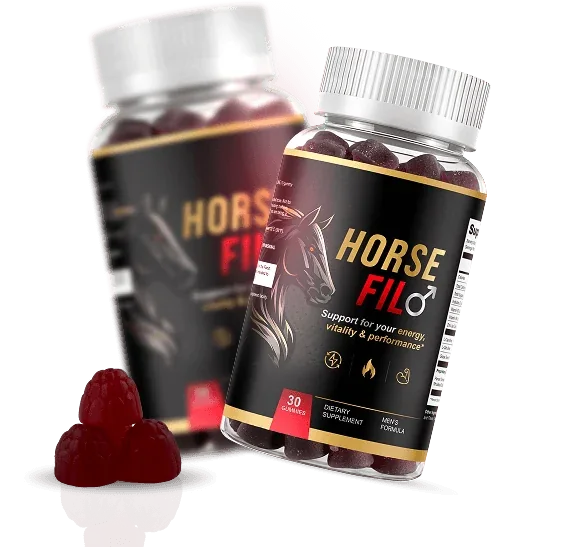
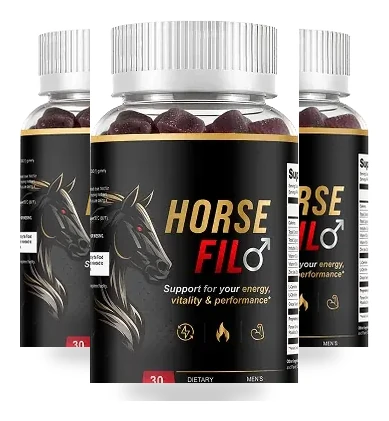
Plenty of men arrive at the best blood sugar support supplement lists chasing an energy problem rather than a glucose number. HorseFil is the men's energy and vitality formula this site covers — it is not a glucose product and we will not pretend otherwise. If that is the shelf you actually meant, the official store lists current prices and its own guarantee terms.
See It at the Official StoreAd · independent affiliate page · confirm every price and term on the store's own checkout
Certificates of analysis: useful, routinely misused
Ask a brand for a certificate of analysis and you will get one of three responses: a document, a brush-off, or silence. The document is the good outcome, but read it properly, because a certificate is only as meaningful as the questions it was asked.
Three things to look for. First, is it a certificate for the finished product or for a raw material? A supplier's certificate for a drum of extract says nothing about the gummy it ended up in. Second, does it carry a batch or lot number that matches the bottle in your hand? A generic certificate with no lot reference describes a batch you will never receive. Third, which laboratory signed it, and is that laboratory independent of the manufacturer?
Also worth knowing: certificates usually report identity, strength and a contaminant panel — typically heavy metals, microbial counts, sometimes pesticides. They do not report whether the botanical was standardised to its active marker compounds. A ginseng extract can be genuine ginseng, correctly weighed, free of lead, and still be commercially worthless if the ginsenoside content is negligible. Identity and potency are different questions.

Label literacy: the four tricks that survive because they are legal
Nothing in this section is fraud. All of it is permitted, which is why it is everywhere.
- The proprietary blend. A group of ingredients listed under one combined weight. Legal, and it means the cheapest component can constitute nearly the whole blend. If a glucose formula hides its botanicals inside a blend, you cannot evaluate it, full stop.
- The serving-size stretch. Impressive amounts printed against a serving of three or four gummies, so a bottle labelled sixty units is a twenty-day supply. Always convert to cost and dose per day before comparing anything.
- Extract ratios in place of standardisation. "10:1 extract" describes a concentration process, not a guaranteed level of any active compound. Standardisation names a marker and a percentage. Ratios sound like precision and are not.
- Borrowed research. A citation next to an ingredient name usually refers to a trial of that isolated compound at a specific dose, not to the finished product. Unless the amounts match, the citation is decoration.
Work through those four and you will disqualify a large share of the top blood sugar support supplements you were shown, before ever reaching the question of whether the ingredients have evidence behind them. That is a feature. Elimination is faster than evaluation.
How to shortlist the best blood sugar supplement brand in ten minutes
Put two products side by side and answer six questions in order. Stop at the first one that fails.
- Is every active ingredient listed with its own amount, outside any blend?
- Are the botanicals standardised to a named marker compound with a percentage?
- Does the daily amount of each key ingredient resemble the amounts used in published human trials?
- Is there an independent verification mark, or a lot-specific certificate available on request?
- Does the label carry the mandatory disclaimer stating the product is not intended to diagnose, treat, cure or prevent disease — and does the marketing quietly contradict it?
- Does the company publish a contactable address and a refund policy in plain language?
Any product that clears all six is unusual. That is the point: the exercise is not designed to find a winner, it is designed to shrink a field of forty candidates to two or three worth a proper look. Once you are down to that shortlist, the next question is whether the human evidence supports the ingredients at all — which is a separate skill, and one we walk through in how to read a supplement trial without being sold to.
What third-party testing cannot do
This is the section most buyer guides leave out, so read it before the shortlist tempts you.
A verification mark cannot tell you that an ingredient has meaningful human evidence behind it. It cannot tell you that the dose in the product resembles the dose in the research. It cannot tell you whether a botanical interacts with your prescriptions. It cannot make a weak ingredient work, and it cannot rescue a formula built for a marketing story rather than a physiological one.
More importantly for this topic: no supplement, verified or otherwise, is a treatment for diabetes or prediabetes, and nothing sold in this category should ever be used to replace prescribed medication, glucose monitoring or medical care. The honest framing for the whole aisle is narrow — some ingredients may help support glucose metabolism already within a normal range, alongside diet, movement, sleep and weight management, and for several popular ingredients the human evidence is genuinely thin or contradictory. Anyone telling you otherwise is not describing the literature.
There is also a question the marks cannot answer at all: whether you need the product. If your last panel was normal and your clinician is not concerned, a glucose-support formula is an expensive way to feel proactive.
Where the product this site covers actually fits
Straight answer: HorseFil is a men's energy and vitality formula, not a glucose product, and it makes no claim to be one. It appears on this page for a reason that matters more than category boundaries — one of its named botanicals is panax ginseng, and panax ginseng has documented effects on blood glucose along with documented interactions with diabetes medication and anticoagulants such as warfarin.
So if you are assembling a stack around glucose support, the relevant lesson is not brand loyalty. It is that the same botanical can appear in a men's formula, an energy blend and a glucose product simultaneously, and the totals add up in one body. Take every label to a pharmacist before combining them. That advice costs nothing and is the highest-value thing on this page.
We also apply our own rules to the product we cover: its sales page does not publish per-ingredient amounts or standardisation figures, so the six-question test above cannot be completed from the website. It can only be completed from the physical Supplement Facts panel. We would rather write that sentence than invent a number.
The buying decision, stated plainly
If you want a shortlist rule that survives contact with an actual shopping trip: prefer the product whose label you can fully audit over the product with the better story, prefer independent verification over self-declared testing, and prefer a brand that publishes amounts over one that hides them in a blend. When people ask which is the best over the counter blood sugar supplement, that is the only answer available from outside the bottle — and it is a statement about transparency, not about outcomes.
Then decide with a clinician whether a supplement belongs in the plan at all. Where to buy it matters far less than whether it should be bought.
Check the Official Store See what this formula is
Frequently asked questions
Is there an officially recognised best blood sugar supplement brand?
No. In the United States no agency approves or ranks dietary supplements before they are sold, so no official ranking exists. The closest thing to a quality signal is a manufacturer that follows current Good Manufacturing Practice rules and pays an independent laboratory such as USP or NSF to confirm that the contents match the label.
What does a GMP certified badge on a supplement actually mean?
It means the manufacturer states that it follows current Good Manufacturing Practice rules, which are already mandatory for every supplement maker under 21 CFR Part 111. It is a legal floor rather than a distinction, and it says nothing about whether the product does anything.
Does third-party testing mean a supplement is effective?
No. Programmes such as USP Verified and NSF confirm ingredient identity, amount and contaminant screening, which means they verify that the label is honest. They do not test whether an ingredient supports glucose metabolism, and no dietary supplement diagnoses, treats, cures or prevents any disease.
What should I ask a brand before buying?
Ask for a certificate of analysis for the finished product that carries the lot number printed on your bottle, ask which independent laboratory signed it, and ask whether each botanical is standardised to a named marker compound at a stated percentage. A company that cannot answer those three questions has not earned the sale.
Where to check this yourself
- NIH Office of Dietary Supplements — dietary supplement fact sheets
- NCCIH — dietary and herbal supplements: what the research says
- NIDDK — diabetes tests and diagnosis
- Mayo Clinic — supplements: what to know before you buy
- PubMed — published work on supplement label accuracy and quality
These are standing reference resources rather than citations of individual trials. We point you at the bodies that maintain the evidence summaries so you can check the current position yourself, rather than at a snapshot that ages.