Men's Vitality Guide: Sleep, Training, Food and Stress
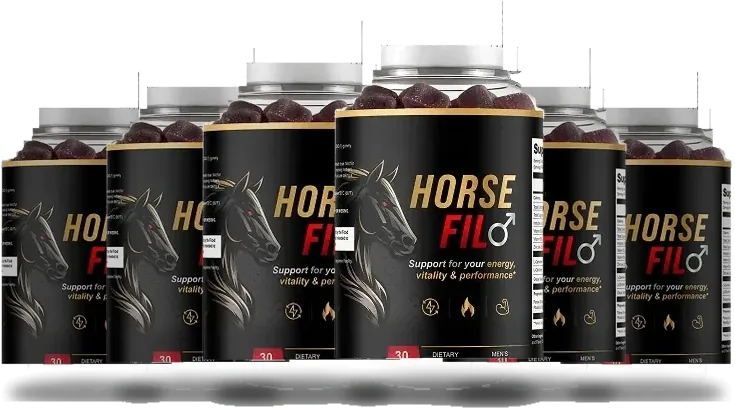
Vitality comes mostly from sleep, training, food and stress control, not from any single product. Rhodiola, ginseng and citrulline have real but modest human research behind them. See a doctor if tiredness is new or severe. Supplements like HorseFil can sit on top of good habits; they do not replace them.
How does sleep affect a man's vitality?
Sleep is the biggest lever for daily energy. Adults generally need 7 to 9 hours a night. Less than that for even a few nights in a row can lower alertness, mood and motivation more than any supplement can fix.
A few habits help most men: a consistent wake time (even on weekends), a dark and cool bedroom, and cutting caffeine after early afternoon. Screens right before bed push sleep later for many people, so a short wind-down without a phone helps.
If you sleep 7 to 9 hours and still feel drained most days, that is a signal worth checking with a doctor, not just a supplement question. Sleep apnea and depression both show up first as daytime fatigue.
How much does training matter for vitality?
Regular movement raises energy over weeks, even though a hard workout feels tiring in the moment. Aim for a mix of two things: strength work two to three times a week, and enough daily movement that you are not sitting for hours at a stretch.
- Strength training 2-3 times a week supports muscle, bone and long-term energy
- A short walk after meals can steady blood sugar and afternoon energy
- Consistency beats intensity: three moderate sessions a week beats one brutal one and two skipped
- New or unusual chest pain, dizziness or shortness of breath during exercise needs a doctor, not a supplement
Training also improves sleep quality and stress tolerance, so the habits on this page reinforce each other. A man who lifts twice a week and sleeps 7-plus hours will usually feel more change than one who adds a supplement to a sedentary, sleep-short routine.
What role does food play in men's energy?
Steady meals and enough protein support steady energy. Skipping meals, then eating a large one, tends to cause an energy dip a few hours later for many men. Spacing protein across the day (eggs, fish, poultry, beans, dairy) supports muscle and steadier blood sugar than one big protein hit at dinner.
Hydration matters more than most men expect. Even mild dehydration is linked to fatigue and lower concentration. Water first thing in the morning and with meals is an easy habit to keep.
Iron and B12 deficiency both cause real fatigue and are common enough to ask a doctor about if tiredness is new, especially for men who eat little meat or have digestive conditions.
How does stress fit into a man's vitality?
Chronic stress drains energy the same way poor sleep does, and the two often feed each other. A stressful stretch shortens sleep, and short sleep makes stress feel bigger the next day.
Name the load
Work, money and family stress all draw on the same reserve. Naming what is heaviest right now is the first step to managing it.
Build small breaks
Ten minutes outside, a short walk, or five minutes of quiet breathing between tasks measurably lowers stress hormones for many people.
Protect one wind-down habit
An evening routine, even a short one, signals to the body that the day is ending and helps sleep come easier.
This is also where adaptogen-style herbs like rhodiola and Panax ginseng, two of the six ingredients named on the HorseFil label, get studied. They are not a stress cure, but the research below shows a modest, real effect in some trials.
When should a man see a doctor about low energy?
tiredness is new, severe, or has lasted more than a couple of weeks despite decent sleep; you notice mood changes, weight change, low libido or other symptoms alongside the fatigue; or you take medicine for blood pressure, blood sugar, thyroid or blood clotting and are thinking about adding a supplement.
Tiredness has real medical causes that a supplement will not fix. Thyroid problems, low iron, sleep apnea, depression and low testosterone can all present as low energy and vitality. A blood test and a conversation with a doctor rule these out far better than trial and error with any product.
None of this means supplements are pointless. It means they sit after sleep, movement, food and a medical check, not before them. See our HorseFil side effects page for medicines that interact with the named ingredients.
Where do supplements fit in a men's vitality routine?
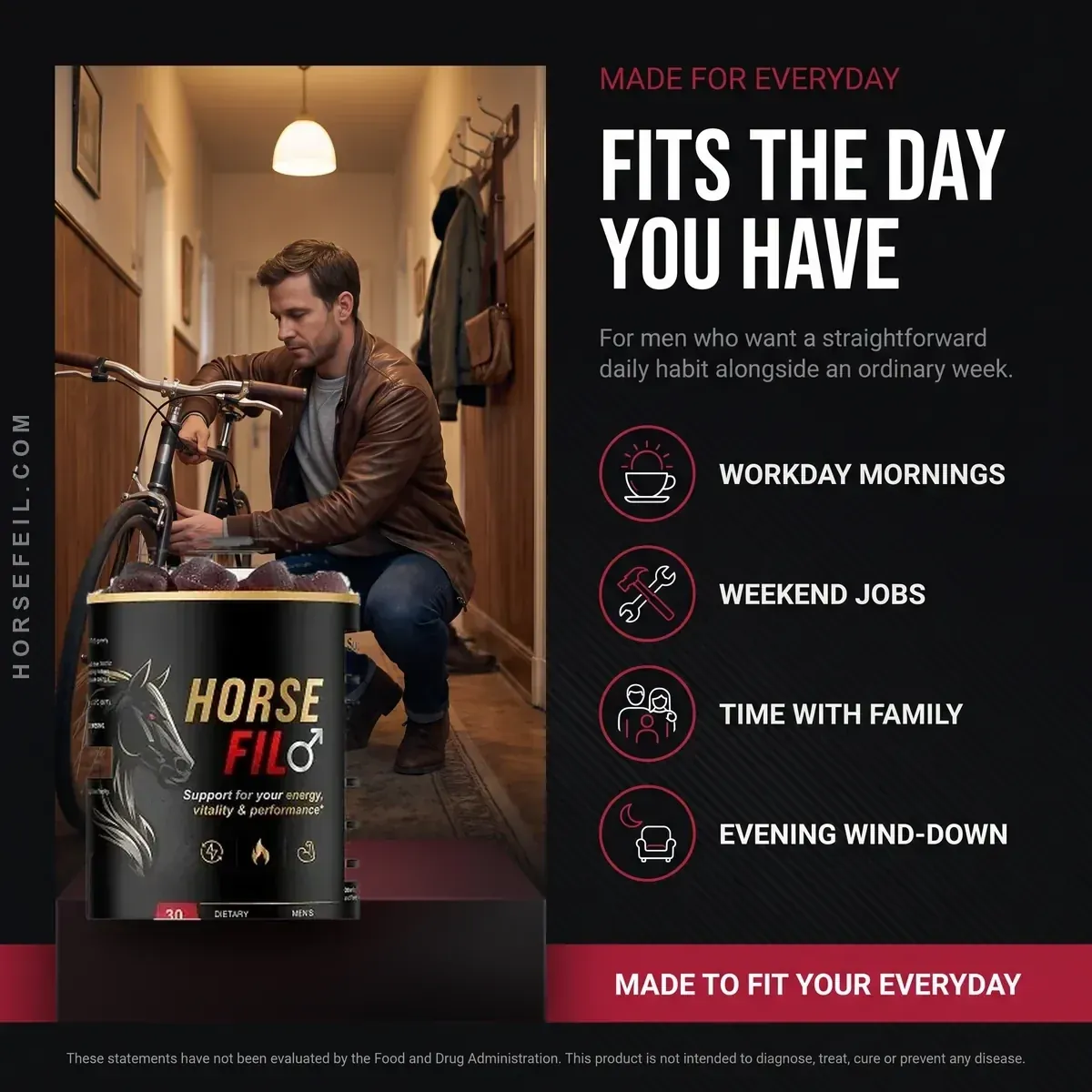
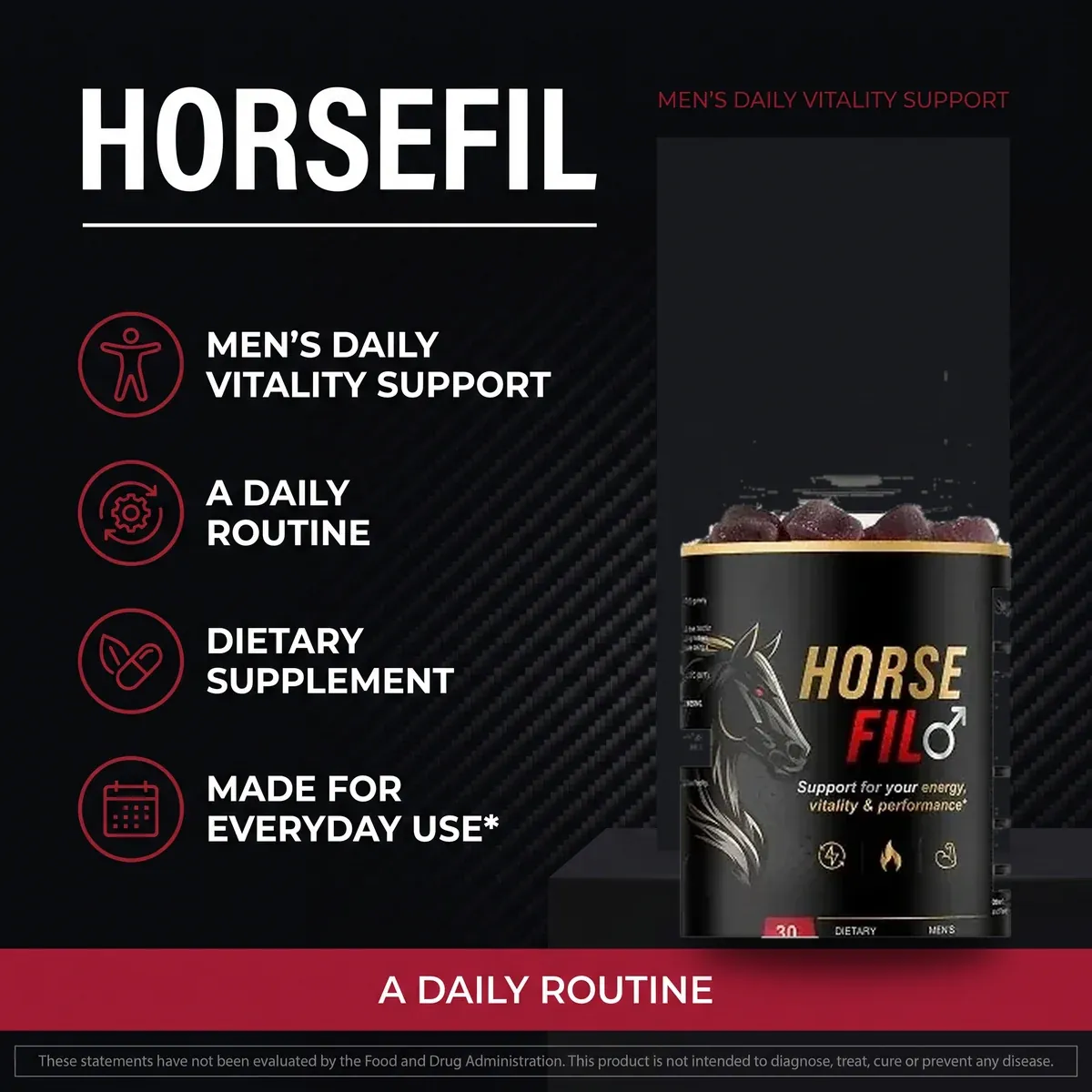
Supplements fit as a small daily habit layered on top of the basics above, not as a replacement for them. A gummy like HorseFil is easy to remember: one gummy a day with water. That ease is the main advantage a gummy has over changing five habits at once.
- A supplement can support a habit you already have, like a morning routine
- It cannot fix a sleep debt, a poor diet, or unmanaged stress by itself
- Judge any supplement over weeks, in the context of your sleep and training, not days
- Ingredient amounts matter: HorseFil does not publish how much of each of its six ingredients is in a gummy
See our how HorseFil works page and the dosage table on the HorseFil ingredients page for the honest gap between label amounts and research doses.
What does the research on rhodiola, ginseng and citrulline show?
Three of the ingredients named on the HorseFil label have the most relevant human research for daily vitality: rhodiola, Panax ginseng and L-citrulline. Here is a plain summary of what trials found, and at what doses.
| Ingredient | What research found | Typical study dose |
|---|---|---|
| Rhodiola | A 4-week trial found less stress-related fatigue and a better cortisol response (Olsson et al., 2009); a meta-analysis also found improved endurance measures (Wang et al., 2025). | 200-680 mg/day of standardized extract |
| Panax ginseng | A systematic review of 10 studies found modest evidence for reduced fatigue, with a low rate of side effects (Arring et al., 2018). | Roughly 200 mg-3 g/day of standardized extract |
| L-citrulline | Trials link it to blood flow and exercise effects, though a 2018 meta-analysis found no significant average blood-pressure change (Mirenayat et al., 2018). | 1.5-8 g/day across different trials |
These are modest, mostly short-term trials, not proof that any product will produce the same effect. Rhodiola's study doses are the easiest of the three for a gummy to plausibly hold; citrulline's gram-level doses are the hardest.
Habits vs. supplements: where does the evidence stand?
| Habit or ingredient | Evidence base | Effort to start |
|---|---|---|
| Sleeping 7-9 hours | Strong, large body of research | Free, but requires discipline |
| Strength training 2-3x/week | Strong for energy, mood and long-term health | Moderate; needs time and a plan |
| Steady meals, enough protein | Strong for stable energy | Low; mostly planning |
| Stress breaks and wind-down routine | Moderate, well-supported for fatigue | Low to moderate |
| Rhodiola (576 mg/day in the main trial) | One 4-week RCT plus a supportive meta-analysis | Low, if the dose matches research |
| Panax ginseng (0.2-3 g/day in trials) | Modest, mixed evidence across 10 reviewed studies | Low, if the dose matches research |
| L-citrulline (1.5-8 g/day in trials) | Mixed; a meta-analysis found no significant BP change | Low, but gram doses are hard in a gummy |
The clearest pattern: the free habits (sleep, training, food, stress management) have the strongest and most consistent evidence. The three researched ingredients above have real but smaller, shorter-term evidence, and only work at their researched amount, which a product's label has to actually state. HorseFil's listing names six ingredients but does not publish amounts, so it is not possible to check this product against the doses in the table above.
How should a man put this all together?
A realistic order to work through this: fix sleep first, since it is free and affects everything else. Add consistent movement next. Tighten up meals and hydration. Build in small stress breaks. Only then does a daily supplement habit make sense as an addition, not a shortcut around the first four.
If you decide to try HorseFil, take it at the same time each day, judge it over several weeks rather than days, and keep the other habits in place. See how to take HorseFil and the results timeline for a realistic week-by-week picture, or compare packs on the pricing page.
Men's Vitality Guide: common questions
What is the single biggest factor in men's daily energy?
Sleep. Adults generally need 7 to 9 hours, and consistently getting less lowers energy more than most other factors on this page.
How much exercise do I need for vitality?
Strength training 2-3 times a week, plus regular daily movement, supports energy over weeks. Consistency matters more than intensity.
When should I see a doctor about low energy?
If tiredness is new, severe, or lasts more than a couple of weeks despite good sleep, or comes with other symptoms like mood or weight change.
Does rhodiola actually help with fatigue?
A 4-week trial at 576 mg/day found less stress-related fatigue and a better stress-hormone response versus placebo, though it is one study among a small evidence base.
Is Panax ginseng proven to reduce fatigue?
A systematic review of 10 studies found modest evidence, not strong proof. Results were mixed and doses varied widely.
Can L-citrulline improve blood flow?
Human trials link it to blood flow and exercise effects, but a 2018 meta-analysis found no significant average blood pressure change from citrulline alone.
Should I take a supplement instead of fixing sleep and diet?
No. Supplements work best layered on top of good sleep, training and food, not as a replacement for them.
Where does HorseFil fit into this guide?
HorseFil names rhodiola, ginseng and citrulline among its six ingredients, but does not publish amounts, so you cannot check it against the research doses above.
Order HorseFil from the official U.S. shop
30 gummies per bottle, one a day. Packs run from $158 for 2 bottles to $294 for 6 bottles, with free shipping and a 60-day money-back guarantee. Questions first? Call +1 (302) 200-3480.