Natural Testosterone Booster: What to Look For on the Label
The word "natural" sells millions of bottles and guarantees nothing. What actually separates a real formula from expensive filler is printed in small type on the back, and it takes about ninety seconds to read.

Quick answer: what to look for in a natural testosterone booster
A natural testosterone booster is a supplement built from botanicals, vitamins and minerals rather than synthetic hormones, but the word "natural" is unregulated and guarantees nothing by itself. Look for standardised extracts with disclosed milligrams — Tongkat Ali 200–400mg, ashwagandha 300–600mg, vitamin D 3000–5000 IU, zinc 30mg — no proprietary blends hiding the amounts, and manufacture in a GMP-certified facility with third-party testing. If the label cannot survive that reading, the front-of-bottle promise is decoration.
- "Natural" is a marketing word, not a standard. It sits on excellent and useless products alike.
- Standardisation and milligrams are the real signal. A named extract with a disclosed dose can be judged; a blend cannot.
- Proprietary blends hide underdosing. If the amounts are secret, assume they are too small to matter.
There is a comforting logic to the word "natural." It suggests something grown rather than made, gentle rather than harsh, safe by default. That instinct is why a natural testosterone booster is an easier sell than almost anything else in the men's aisle. It is also why the word does so much quiet damage, because it invites you to stop reading exactly where the useful information begins. A plant extract can be superbly made or barely present, and the leaf on the label looks identical in both cases.
What a natural testosterone booster actually signals — and what it doesn't
Start with the honest definition. In practice, a natural testosterone booster is a supplement built from plant extracts, vitamins and minerals rather than synthetic hormones or anabolic steroids. That is a meaningful category distinction: it separates a botanical formula from prescription testosterone and from the grey-market compounds that occasionally masquerade as supplements.
What it does not signal is quality, potency or evidence. There is no regulatory definition of "natural" on a supplement, which means the word is available equally to a formula built from studied extracts at studied doses and to a formula built from cheap powders and hope. The leaf motif, the earth-tone label, the word "botanical" — these are design choices, not certifications. Treating them as evidence is the single most expensive mistake a shopper in this aisle makes.
The label tells that separate real formulas from filler
Turn the bottle over. Everything that matters is on the supplement facts panel, and four tells do most of the work.
Standardised extracts, not raw powders. "Tongkat Ali 200mg (standardised to 2% eurycomanone)" is a specification. "Tongkat Ali root powder" is a hope. Standardisation means the active compounds are present at a stated concentration in every capsule, which is the difference between a studied dose and a scoop of dried plant that may contain almost none of the compound the studies were about.
Disclosed milligrams for every active. Each ingredient should carry its own amount. This lets you compare that amount against the doses used in research — the whole exercise of matching a booster's doses to the amounts used in studies depends on the milligrams being printed in the first place. No number, no judgement.
No proprietary blend. A blend lists several ingredients under one combined weight, so a formula can headline an expensive extract while including a trace of it. If you see "Men's Vitality Blend 1,500mg" followed by a list, the label has decided you do not need to know the amounts, and that decision is the answer.
Verifiable quality marks. GMP-certified manufacture and third-party testing tell you the capsule contains what the label says and is not contaminated. They do not prove efficacy, but they are the floor beneath which nothing else is worth reading.
The natural ingredients with real human evidence
"Natural" covers hundreds of ingredients, but only a handful carry evidence worth paying for, and each comes with a dose.
Tongkat Ali, 200–400mg standardised. The most-studied botanical in the category, with several randomised trials and a 2022 meta-analysis behind it, and the effect strongest in men who started low. It earns a place when it is dosed properly and standardised.
Ashwagandha, 300–600mg root extract. Best evidenced for stress, with the hormonal benefits arriving indirectly through that route. A sensible inclusion at a real dose, decorative below it.
Vitamin D, 3000–5000 IU where status is low. A correction rather than an elevation. Deficiency is common and worth fixing on its own terms; the direct hormone data is mixed.
Zinc, around 30mg where intake is low. Required for normal function, useful when you are short and unhelpful when you are not, with very high chronic intakes causing their own problems.
Set against these, the popular but poorly supported names stand out. Tribulus terrestris is the clearest example: widely sold, exotic-sounding, and shown in a 2014 review not to raise testosterone in men. Its presence is a hint about a formula's priorities.
| Natural ingredient | Studied dose | What the human evidence supports | Strength |
|---|---|---|---|
| Tongkat Ali (standardised) | 200–400mg/day | Modest testosterone increases, strongest in men starting low | Moderate |
| Ashwagandha (root extract) | 300–600mg/day | Stress reduction with indirect hormonal effects | Moderate for stress |
| Vitamin D | 3000–5000 IU/day | Corrects low status; hormone data mixed | Conditional on deficiency |
| Zinc | ~30mg/day | Supports normal function where intake is low | Conditional on shortfall |
| Maca root | varies | Self-reported desire and energy; hormones generally unchanged | Modest, different endpoint |
| Tribulus terrestris | varies | No reliable testosterone increase in men | Weak |
A natural formula that shows its label
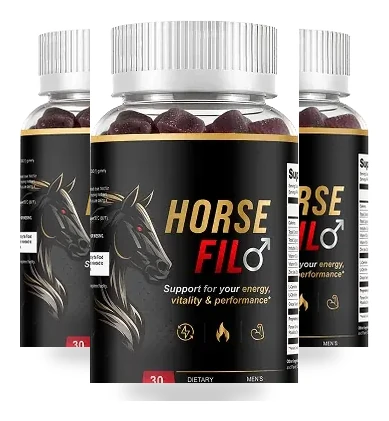
If you want to see one natural formula that discloses its ingredients openly, HorseFil is the men's energy and vitality formula this site covers. We will be straight about its category: it is an adaptogen and circulation formula built around L-citrulline, L-carnitine, panax ginseng, maca root and rhodiola — a stamina and vitality product, not a hormonal one. If that is the shelf you actually meant, the official store lists current supply options and its own guarantee terms.
See It at the Official StoreAd · independent affiliate page · confirm every term on the store's own checkout
Objections and myths worth answering
"Natural means it is automatically safe." This is the myth the word is built to encourage, and it is not true. Natural does not mean risk-free. Some botanicals interact with prescription medication — panax ginseng, for one, has documented interactions with anticoagulants such as warfarin and can affect blood glucose — and quality varies enormously between manufacturers. The two protections that matter are choosing products made in a GMP-certified facility with third-party testing, and asking a pharmacist before you start if you take anything on prescription.
"Natural means it is too weak to do anything." The opposite error, and just as wrong. A standardised botanical extract at a studied dose can have measurable effects; the failure mode is not weakness but underdosing. When a natural product does nothing, the usual reason is a token amount hidden in a blend, not a limitation of plants in general.
"A natural booster can replace testosterone replacement therapy." It cannot. TRT supplies the hormone directly under medical supervision; a supplement, at best, supports your own production or corrects a nutrient gap, and the ceiling on that is low. Confusing the two leads men to self-treat a possible clinical problem with a shopping choice, wasting the months in which it could have been investigated. If a blood test points to a genuinely low level, that is a doctor's conversation.
"Natural" describes where an ingredient came from. It says nothing about whether enough of it made it into the capsule. Only the milligrams say that.
A ninety-second label check you can run in the shop
Put the four tells together and you have a routine that fits in the time it takes to stand in an aisle. First, turn the bottle over and ignore the front entirely. Second, find each headline ingredient and check it has its own milligram figure, not a shared blend weight. Third, check the key botanicals say "standardised," and that the amounts land near the studied ranges above. Fourth, look for a GMP statement and any third-party testing mark, then verify it exists rather than taking the logo on faith.
If a product passes all four, it belongs on your shortlist regardless of how loud or quiet its marketing is. If it fails even one — a blend instead of amounts, a raw powder where a standardised extract should be, no quality marks — put it back, because the front-of-bottle promise is writing a cheque the panel on the back cannot cash. For the wider set of criteria that turn this into a full comparison, our 2026 buyer's guide to choosing the best testosterone booster lays the whole framework out.
Where HorseFil sits, said plainly
We hold our own subject to the same reading. HorseFil names L-citrulline, L-carnitine, panax ginseng, maca root, rhodiola and grape seed extract, and by the logic of this article that places it clearly: these are circulation, cellular-energy and adaptogen ingredients, not hormonal ones. Maca appears in the small desire-and-energy literature rather than the testosterone literature; citrulline works on blood flow; the adaptogens work on stress and stamina. It is a natural men's energy and vitality formula, and calling it a hormone booster would be exactly the kind of "natural" overreach this piece argues against.
What it can honestly claim is the process: disclosed ingredients, GMP-certified manufacture, and marketing that does not promise a blood-test number. If your real goal is day-to-day energy and stamina, that is the shelf it belongs on. If your goal is a hormonal number, the label-reading routine above will steer you toward a different, properly dosed product — and that is the right outcome, not a lost sale.
Check the Official Store See the full ingredient list
Frequently asked questions
What does a natural testosterone booster actually mean?
In practice it means a supplement built from plant extracts, vitamins and minerals rather than synthetic hormones or steroids. The word natural itself is unregulated, so it guarantees nothing on its own. What matters is what sits underneath it: standardised extracts, disclosed milligrams and ingredients with human evidence. A natural label on a proprietary blend is still a black box.
Are natural testosterone boosters safe?
For most healthy men, well-made products using studied ingredients at studied doses have a good safety record, but natural does not mean risk-free. Some botanicals interact with medication, panax ginseng among them, and quality varies widely between manufacturers. Choosing products made in a GMP-certified facility with third-party testing, and speaking to a pharmacist if you take any prescription, are the two steps that matter most.
Which natural ingredients have real evidence?
The strongest human evidence sits with Tongkat Ali at 200 to 400mg of a standardised extract, ashwagandha at 300 to 600mg, vitamin D at 3000 to 5000 IU where status is low, and zinc at around 30mg where intake is low. Each has a dose attached, and the dose is what separates a real formula from a decorative one. Ingredients such as tribulus are popular but poorly supported.
Can a natural booster replace TRT?
No. Testosterone replacement therapy is a prescription that supplies the hormone directly and is managed by a doctor from blood tests. A natural supplement can at best support the body's own production or correct a nutrient shortfall, and the ceiling on that is low by comparison. If a blood test shows a genuinely low level, that is a medical conversation, and no natural product substitutes for it.
Where to check this yourself
- NIH Office of Dietary Supplements — full list of ingredient fact sheets
- U.S. FDA — how dietary supplements are regulated
- Harvard Health — men's health topic hub
- PubMed — human trials on Eurycoma longifolia (Tongkat Ali)
- PubMed — the human evidence on tribulus terrestris and testosterone
These are standing reference resources rather than citations of individual trials. We point you at the bodies that maintain the evidence summaries so you can check the current position yourself, rather than at a snapshot that ages.