Tongkat Ali for Testosterone: The Evidence and the Right Dose
Most botanicals in the men's aisle are sold on a mechanism story and a rodent study. Tongkat Ali is the rare one with human trials behind it — which makes getting the dose right worth the trouble.

Quick answer: Tongkat Ali, testosterone and the correct dose
For testosterone, Tongkat Ali is the most-studied natural ingredient in the category, with five published randomised trials and a 2022 meta-analysis showing significant increases in both healthy and hypogonadal men. The dose that carries the evidence is 200–400mg per day of a standardised 100:1 extract, taken consistently for four to twelve weeks. It may also lower cortisol, and side effects are usually mild — disrupted sleep or a slight rise in heart rate — but standardisation and consistency matter more than chasing a bigger number.
- 200–400mg of a standardised 100:1 extract is the range the positive trials used.
- Four to twelve weeks is the realistic window; effects built slowly, not overnight.
- Standardisation beats milligrams. A raw powder at the same weight may contain far less active compound.
Walk the men's supplement aisle with a sceptical eye and most of it thins out fast. Ingredient after ingredient turns out to rest on a promising laboratory mechanism, a study in rodents, and a marketing team that treated the two as if they were a clinical trial. Tongkat Ali is one of the few names that survives that scrutiny, because behind it sits actual human data — not a mountain of it, but more than almost anything else on the shelf. That is exactly why the dose deserves care: when an ingredient genuinely can do something, getting the amount wrong is the difference between a real result and a wasted three months.
What Tongkat Ali is, and why it is studied for testosterone
Tongkat Ali is the root of Eurycoma longifolia, a shrub native to Southeast Asia, where it has a long history of traditional use for energy and male vitality. That heritage is not evidence in itself — plenty of traditional remedies did nothing — but in this case the modern research followed the tradition and, unusually, found something. The proposed mechanism involves compounds called quassinoids, eurycomanone chief among them, which appear to influence the release of otherwise bound testosterone and to act on the stress hormone cortisol. A lower cortisol load is one plausible route by which the plant could nudge testosterone upward indirectly, since chronic stress and testosterone tend to pull in opposite directions.
The reason it is worth studying rather than dismissing is that the mechanism did not stay in the petri dish. It was carried into trials in men, and that step — the one most botanicals never take — is where Tongkat Ali separated itself from the crowd.
What the human evidence on Tongkat Ali and testosterone actually shows
Here is the part that matters, stated carefully. There are roughly five published randomised controlled trials examining standardised Tongkat Ali in men, and a 2022 meta-analysis that pooled the available human data reported significant increases in testosterone across the studies it combined, in both healthy men and men who began with low levels. For an over-the-counter botanical, that is a strong hand: randomised designs, human subjects, and a pooled analysis pointing the same way.
Two honest qualifiers keep this in proportion. First, the trials are relatively few and some are small, so this is a promising signal rather than a settled fact, and larger independent studies would strengthen it. Second, "significant increase" is a statistical statement, not a promise of how any individual will feel; the effect sizes were meaningful but measured, and men who started lower had more room to move than men who were already normal. That last point is the recurring theme of this whole category, and it is why matching a product's dose to the amounts used in research matters so much — a subject we work through in detail in our guide to dose-matching testosterone boosters to study amounts.

How much Tongkat Ali to take: the dose that carries the evidence
The trials converge on a workable answer. The doses used clustered between 200 and 400mg per day of a standardised extract, most commonly a 100:1 extract standardised for a set percentage of eurycomanone. That standardisation figure is not a technicality — it is the whole point. Two capsules can both read "Tongkat Ali 200mg" while one is a concentrated, standardised extract delivering the studied amount of active compound and the other is a raw root powder delivering a fraction of it. The milligram number on the front means very little without the standardisation detail behind it.
More is not clearly better. The positive studies did not escalate into huge doses, and there is no good evidence that doubling past 400mg doubles anything except the strain on your wallet and, potentially, the side effects. The sensible approach is a standardised extract at a studied dose, taken every day, rather than a heroic amount taken erratically.
| Question | What the trials suggest |
|---|---|
| Studied dose | 200–400mg/day of a standardised 100:1 extract |
| Standardisation | Typically standardised for eurycomanone content |
| Duration used | 4 to 12 weeks in most trials |
| Who responded most | Men starting with lower testosterone |
| Secondary effect | May lower cortisol |
| Common side effects | Mild: disrupted sleep, slight rise in heart rate |
If you are shopping the adaptogen shelf
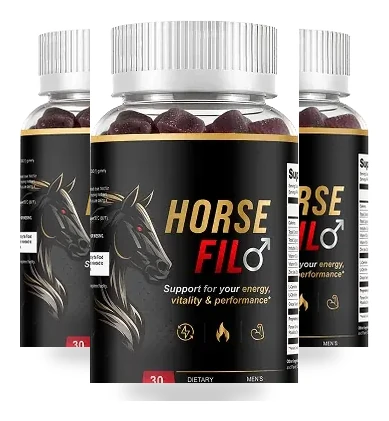
A quick honest note so you buy the right thing: HorseFil, the formula this site covers, is an adaptogen and circulation product built around L-citrulline, L-carnitine, panax ginseng, maca root and rhodiola — a men's energy and stamina formula rather than a Tongkat Ali testosterone product. If a standardised Tongkat extract is specifically what you want, look for the 200–400mg dose above on the label. If day-to-day energy and stamina is the goal, the official store lists HorseFil's current supply options and its own guarantee terms.
See It at the Official StoreAd · independent affiliate page · confirm every term on the store's own checkout
How long Tongkat Ali takes to work
Patience is part of the protocol. The published trials generally ran for four to twelve weeks, and where effects appeared they accumulated across that window rather than arriving within days. A realistic plan is to take a standardised dose consistently for a clear two to three months before deciding whether it is doing anything for you. Any product or influencer promising a result in forty-eight hours is describing marketing, not the trial evidence, which moved slowly and modestly. If you judge it after a week, you are judging the wrong timescale.
Is Tongkat Ali safe to take daily?
In the human studies, standardised Tongkat Ali at 200 to 400mg a day was generally well tolerated across the weeks it was tested, and the side effects that did turn up were mild — some reports of disrupted sleep, a slightly elevated heart rate in a minority. That is a reassuring short-term profile for a botanical.
The honest limits are two. Long-term safety data, meaning years rather than weeks, is thinner, simply because the trials were short. And Tongkat Ali is not automatically appropriate for everyone: it can interact with medication and is best avoided or discussed carefully in the context of hormone-sensitive conditions. As with everything in this aisle, "natural" is not a synonym for "safe for you specifically." Anyone on a prescription or managing a health condition should run it past a doctor or pharmacist before starting, which is the same caution we would apply to any active ingredient.
Tongkat Ali's strength is not that its effect is large. It is that the effect was measured in men, in randomised trials, at a knowable dose — which is more than most of the shelf can say.
Tongkat Ali versus Fadogia Agrestis
These two names travel together online, usually stacked in the same protocol, so the comparison is worth drawing plainly. Tongkat Ali has several published human trials and a 2022 meta-analysis behind it. Fadogia Agrestis, by contrast, has become popular largely through podcasts and forums while its human evidence is essentially absent — the enthusiasm rests almost entirely on animal studies, and there are unresolved questions about its safety, including organ-toxicity signals at higher doses in animal work. On the evidence as it stands in 2026, the choice is not close: the ingredient with human data is the sounder pick, and the popularity of the alternative is a case study in how a compelling story outruns the science. If you find yourself drawn to Fadogia specifically, it is worth asking what you actually know about it versus what you have merely heard repeated.
Where this leaves HorseFil, honestly
A straight disclosure, because this article funnels toward a product and you deserve to know what that product is. HorseFil does not headline as a Tongkat Ali testosterone booster, and we are not going to pretend it is one. Its formula names L-citrulline, L-carnitine, panax ginseng, maca root, rhodiola and grape seed extract — circulation, cellular-energy and adaptogen ingredients. It sits on the energy, stamina and vitality side of the aisle, which overlaps with the reasons men research Tongkat Ali (energy, drive, feeling less flat) without being a hormonal product in the way a properly dosed Tongkat extract aims to be.
So the useful takeaway splits in two. If your goal is specifically to raise testosterone with a botanical, the evidence points you to a standardised Tongkat Ali extract at 200 to 400mg a day, and you should buy on that spec regardless of brand. If your goal is broader everyday energy and stamina, HorseFil is the adaptogen and circulation formula this site covers, and the official store is where you would confirm its ingredients, price and guarantee. One caution worth repeating either way: panax ginseng, which HorseFil contains, has documented interactions with anticoagulants such as warfarin and can affect blood glucose, so ask a pharmacist first if you take prescription medication.
Check the Official Store See the full ingredient list
Frequently asked questions
How much Tongkat Ali should I take for testosterone?
The doses used in the human trials cluster between 200 and 400mg per day of a standardised extract, typically a 100:1 extract standardised for eurycomanone. Higher is not clearly better, and most of the positive studies sat inside that range. The single most important detail is standardisation, because a raw root powder at the same milligram figure may contain far less of the active compound the studies measured.
How long does Tongkat Ali take to work?
The published trials generally ran for four to twelve weeks, and where effects appeared they built over that window rather than within days. A realistic expectation is to give a standardised dose a consistent two to three months before judging it. Anything promising a result in a day or two is describing marketing, not the trial evidence, which moved slowly and modestly.
Is Tongkat Ali safe to take daily?
In the human studies, standardised Tongkat Ali at 200 to 400mg per day was generally well tolerated over the weeks it was tested, with side effects tending to be mild, such as disrupted sleep or a slight rise in heart rate. Long-term safety data is more limited, and it can interact with medication and with conditions such as hormone-sensitive ones, so anyone on a prescription or with a health condition should speak to a doctor or pharmacist first.
Tongkat Ali vs Fadogia Agrestis: which is better?
On current evidence Tongkat Ali is the more defensible choice, because it has several published human trials and a 2022 meta-analysis behind it. Fadogia Agrestis is popular online but its evidence in humans is essentially absent, resting almost entirely on animal studies, and there are open questions about safety at higher doses. For a buyer weighing the two, the one with human data is the sounder pick.
Where to check this yourself
- PubMed — randomised trials of Eurycoma longifolia (Tongkat Ali) and testosterone
- PubMed — meta-analyses of Tongkat Ali in men
- NIH Office of Dietary Supplements — ingredient fact sheets
- Harvard Health — men's health topic hub
- PubMed — the current published work on Fadogia Agrestis
These are standing reference resources rather than citations of individual trials. We point you at the bodies that maintain the evidence summaries so you can check the current position yourself, rather than at a snapshot that ages.