Natural Ways to Increase Testosterone: Build the Foundation First
Most of what men chase in a bottle is already sitting unclaimed in their sleep, their training and their body fat. Here is the honest order of operations, and where a supplement earns its place.

Quick answer: what are the natural ways to increase testosterone?
The natural ways to increase testosterone that actually hold up are sleeping seven to nine hours a night, training against resistance, losing excess body fat, and correcting a genuine vitamin D, zinc or magnesium shortfall. These work by removing the things that suppress your own hormone production rather than by forcing it higher, the effects build over eight to twelve weeks, and no pill outperforms fixing sleep and training first.
- Sleep is the biggest free lever. Most of your daily testosterone is released during sleep, so short nights cut the supply directly.
- Body fat matters more than any food. Excess fat converts testosterone to oestrogen, so losing it lifts the number from both directions.
- Supplements sit on top, not underneath. A formula supports the foundation once it is built; it cannot substitute for one that is missing.
If you have typed natural ways to increase testosterone into a search bar, you have almost certainly been handed a list of exotic foods and a supplement to buy before you finished reading the first paragraph. That order is backwards. The interventions with the strongest human evidence are the ones nobody can sell you, and the honest version of this article spends most of its length on things that are free. The bottle comes at the end, in its proper place, doing the modest job it is actually good at.
The reason this matters is simple. A man who fixes his sleep and drops excess weight will feel the difference in energy, drive and recovery. A man who leaves those untouched and buys a supplement instead is disappointed, blames the product, and buys a different one next month. So before anything with a label, here is the foundation in the order that impact actually falls.
The natural ways to increase testosterone, in order of impact
Not all levers are equal, and pretending they are is how people waste effort. Ranked by the strength of the human evidence and the size of the likely effect, the order looks like this: sleep, body composition, resistance training, alcohol, and micronutrient status. Everything else — specific foods, cold showers, exotic herbs — sits well below these, and much of it sits below them by a wide margin. Start at the top and work down, because the top is where the returns are.
1. Sleep: seven to nine hours, non-negotiable
The largest share of a man's daily testosterone is released during sleep, and the pulses are tied to sleep architecture rather than simply to lying down. When researchers restrict healthy young men to around five hours a night for a week, daytime testosterone falls measurably — the kind of drop that would otherwise take years of ageing to produce. That is the single most striking fact in this whole area, and it costs nothing to act on.
Practically, that means protecting a genuine seven-to-nine-hour window, not a hopeful one. Consistent wake times, a dark cool room, and getting screens and heavy alcohol away from the last hour before bed do more for male hormones than any food on the internet. If you take one thing from this page, take this: no supplement can outbid the hormone you are giving up by staying up.
2. Body fat: less of it lowers aromatization
Fat tissue is not inert storage. It is metabolically active and contains the aromatase enzyme, which converts a portion of circulating testosterone into oestrogen. The more excess fat a man carries, the more of this conversion happens, which is one reason higher body fat and lower testosterone travel together so reliably in observational data. Losing meaningful fat mass lifts the picture from both sides at once: less conversion out, and better metabolic health overall.
This is also the least popular sentence in the article, because losing fat is slow, unglamorous work with no shortcut. But it has a better evidence base than every hero food combined, and it is the change most likely to move how a man actually feels. If your waistline has crept up over a decade, that is not a supplement problem.
3. Resistance training: lift heavy things, regularly
Resistance training is the exercise mode with the clearest link to male hormonal health. Big compound movements — squats, deadlifts, presses, rows — recruit large amounts of muscle and drive the training adaptations that support a healthier hormonal profile over time. The acute post-workout spikes get a lot of attention, but the durable benefit is the body composition and insulin sensitivity that consistent lifting builds over months.
You do not need to train like a competitor. Two to four sessions a week, progressively loaded, with enough recovery between them, is plenty. The failure mode to avoid is the opposite extreme: chronic overtraining with too little sleep and food is a well-documented way to suppress hormones, not raise them. More is not better here; consistent and recovered is better.
Once the foundation is built, not before
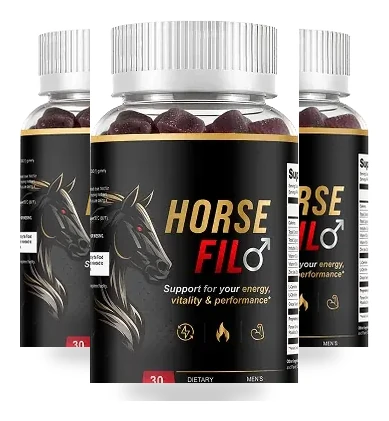
If your sleep is defensible, your training is consistent and your body fat is heading in the right direction, a supplement is a reasonable last five percent. HorseFil is the men's energy and vitality formula this site covers — built around circulation and adaptogen ingredients, not hormones — and we would rather tell you what it is than imply it replaces the work above. The official store lists current supply options and its own guarantee terms.
See It at the Official StoreAd · independent affiliate page · confirm every term on the store's own checkout
4. Alcohol: heavy intake pulls the number down
Heavy, chronic drinking is associated with lower testosterone through several plausible routes, including direct effects on the testes and on the liver. Occasional moderate drinking is a much weaker signal and not worth agonising over, but if your intake has drifted into most-nights territory, cutting it back is one of the faster-acting changes on this list. It also happens to improve the sleep you are trying to protect, so the two levers reinforce each other.
5. Micronutrients: correct a shortfall, do not megadose
This is where supplements have their most defensible role, and it is narrower than the marketing suggests. Three nutrients matter: vitamin D, zinc and magnesium. Each is genuinely required for normal hormonal function, and each is commonly under-consumed — vitamin D especially in men who work indoors or live at high latitudes. Correcting a real deficiency can help. The catch, and it is a big one, is that topping up a man who is already replete does not appear to add anything, and very high zinc intakes over time interfere with copper absorption.
The grown-up version is to eat well, get some sunlight, and test before you megadose. Zinc from shellfish and meat, magnesium from nuts, seeds and greens, and vitamin D from oily fish, sunlight or a sensible supplement cover the bases. We walk through how these show up on food labels in our look at the testosterone booster foods the research actually supports, which sorts the evidenced nutrients from the copied-and-pasted folklore.

Three myths worth clearing before you spend a penny
Most of the money wasted in this category is spent because of a handful of persistent beliefs. Clearing them saves both cash and disappointment.
Myth one: a booster pill can replace the fundamentals. It cannot, and no honest formula claims to. The lifestyle levers above are the engine; a supplement is, at best, a small tune-up on an engine that is already running. If you are sleeping five hours and carrying thirty extra pounds, the most expensive bottle on the market is a rounding error against the potential of fixing those two things. Buy the tune-up after you have built the engine, not instead of it.
Myth two: results should be instant. They should not, and the biology says so plainly. Body composition changes over months, training adaptation over weeks to months, and even the faster levers like sleep and alcohol register over weeks rather than days. Any product or program promising an overnight transformation is describing a marketing timeline, not a physiological one. Plan on eight to twelve weeks before you judge whether anything is working — the same window over which a supplement should be assessed, which is exactly why single-week purchases tell you nothing.
Myth three: low energy always means low testosterone. Often it does not. Poor sleep, chronic stress, an under-treated thyroid, low iron, depression and simply being deconditioned all produce the same flat, tired, low-drive feeling that people attribute to hormones. Genuinely low testosterone is a clinical diagnosis made from repeated morning blood tests and interpreted by a doctor alongside symptoms — not something you diagnose from a quiz or self-treat with a shopping list. If the symptoms are real and persistent, that is a conversation with a clinician, and no supplement is a substitute for it.
How long before natural methods show results?
Set the clock at eight to twelve weeks and judge nothing before then. The fastest-acting changes — restoring sleep, cutting heavy drinking — can register within a few weeks. The slower, larger ones — losing fat, building training adaptation — accumulate over a couple of months. What you are really tracking over that window is not a single blood number but the downstream feeling: steadier daytime energy, better recovery between sessions, drive that does not crater by mid-afternoon. If you want to measure it properly, a morning blood test before you start and another after twelve consistent weeks is far more informative than checking how you feel on any given morning.
Nobody sells a program called sleep more, drink less and lose fifteen pounds. That is a shame, because it would beat every testosterone hack on the internet combined.
Where a supplement like HorseFil actually fits
Once the foundation is genuinely in place and you still feel you want an edge, a supplement is a defensible addition — provided you are clear-eyed about what class of product it is. Most formulas marketed around male vitality, HorseFil included, are not hormonal agents. HorseFil is built around L-citrulline, L-carnitine, panax ginseng, maca root, rhodiola and grape seed extract — circulation, cellular-energy and adaptogen ingredients rather than anything that acts directly on testosterone. That is not a criticism; it is simply what the ingredient list is. Citrulline supports the same nitric-oxide and blood-flow pathway that gets watermelon its reputation, carnitine ties to energy metabolism, and the adaptogens target fatigue and stress resilience.
The practical question with any of these products is whether the amounts on the label match the amounts used in research, because a good ingredient at a token dose does nothing. We work through exactly that in dose-matching a testosterone booster to real study amounts, and it is the single most useful filter you can apply before buying anything. One safety note worth repeating: panax ginseng has documented interactions with anticoagulants such as warfarin and can affect blood glucose, so if you take prescription medication, ask a pharmacist before starting any supplement — this one or any other.
Check the Official Store See the full ingredient list
Related reading
Frequently asked questions
What are the fastest natural ways to increase testosterone?
The fastest returns come from fixing sleep and cutting excess alcohol, because both act on hormone regulation within days to weeks rather than months. Getting seven to nine hours consistently, starting resistance training and correcting a genuine vitamin D, zinc or magnesium shortfall are the levers with the best evidence. Fast is relative, though: even the quickest of these changes is measured in weeks, and anyone promising an overnight jump is selling something rather than describing biology.
Does diet really affect testosterone?
Yes, but mostly as a floor rather than a lever. Very low fat diets, chronic under-eating and heavy drinking are all associated with lower testosterone, and losing excess body fat reduces how much testosterone is converted to oestrogen. What diet does not reliably do is push an already well-nourished man's level higher. Correcting a real problem helps; adding superfoods to an adequate diet generally does not.
How long before natural methods show results?
Plan on eight to twelve weeks before you judge anything. Sleep and alcohol changes can register in a few weeks, but body composition, training adaptation and the downstream feeling of steadier energy build over a couple of months. This is also the window over which any supplement should be assessed, which is why buying a single week's supply of anything tells you very little.
Do booster pills help on top of lifestyle changes?
They can be a reasonable add-on once sleep, training, body fat and alcohol are handled, and they are an expensive distraction before that. No pill outperforms fixing the fundamentals, and most products marketed for hormones are really circulation, energy and adaptogen formulas. Treat a supplement as the last five percent on top of the work, not a replacement for it, and check the label doses against real study amounts.
Where to check this yourself
- NIH Office of Dietary Supplements — vitamin D consumer fact sheet
- NIH Office of Dietary Supplements — zinc consumer fact sheet
- CDC — how much sleep adults need
- Harvard Health — men's health topic hub
- PubMed — published work on sleep restriction and testosterone in men
These are standing reference resources rather than citations of individual trials. We point you at the bodies that maintain the evidence summaries so you can check the current position yourself, rather than at a snapshot that ages.