Energy Habits After 40 That Matter More Than Any Gummy
Sleep, strength training, steady meals and lower stress have the largest, best-documented effect on energy after 40. Rhodiola and Panax ginseng have real human research behind them for fatigue, at doses of roughly 200-680 mg and 600 mg-3 g a day, but they work on top of these habits, not instead of them.
Why does energy feel different after 40?
Energy does not fall off a cliff at 40, but the habits that used to cover for a bad night start to matter more. Muscle mass declines gradually with age, sleep gets lighter and more easily disrupted, and the workload of a career, a household and often kids does not shrink to match. None of that is fixed by one ingredient. It responds to a handful of daily habits, done consistently, more than to any single product.
This is not an argument against supplements. It is an argument for sequencing. Sleep, training, food and stress management are the habits with the largest, best-documented effect on daily energy. A gummy or a herb can sit on top of that foundation. It cannot replace it.
Sleep: the habit that changes energy the most
Sleep is the single habit with the biggest effect on next-day energy, and it gets harder to protect after 40. Sleep architecture shifts with age: deep sleep shortens, and it becomes easier for stress, screens, alcohol or a warm bedroom to fragment the night. The fix is rarely dramatic. It is a short list of habits, done nightly.
What actually helps
- A consistent wake time, even on weekends
- No caffeine after early afternoon
- A cool, dark room and a wind-down routine that starts 30-60 minutes before bed
- Limiting alcohol close to bedtime, since it fragments sleep even when it helps you fall asleep faster
What to watch for
Loud snoring, gasping at night, or feeling unrefreshed after 7-8 hours in bed can point to sleep apnea, which becomes more common with age and weight gain. That needs a doctor, not a supplement.
Training and movement: the smallest habit that still counts
Strength and movement do more for daily stamina after 40 than most people expect, because muscle mass and aerobic capacity both decline gradually with age if nothing pushes back on them. The good news is that the minimum effective dose is smaller than most men assume.
| Habit | Rough target | Why it matters after 40 |
|---|---|---|
| Strength training | 2-3 sessions a week | Preserves muscle mass, which naturally declines with age |
| Daily walking | 20-30 minutes most days | Supports circulation and mood without added recovery cost |
| Mobility or stretching | 5-10 minutes a few times a week | Keeps joints moving as recovery slows with age |
Consistency beats intensity here. Two solid strength sessions and daily walking, kept up for months, will do more for how a man feels day to day than an occasional hard workout followed by a week of soreness and skipped days.
Food: the habit that shows up within hours
Food affects energy on two timescales: the next few hours, and the next few years. In the short term, blood sugar swings from a heavy, high-sugar meal can leave you flat an hour later. In the long term, protein intake and overall diet quality affect how well the body holds onto muscle, which is part of what keeps stamina up as men age.
Protein at each meal
Supports muscle maintenance, which becomes harder to preserve with age. Eggs, fish, poultry, dairy, beans and lentils all count.
Steadier blood sugar
Pairing carbs with protein or fat, and not skipping meals, helps avoid the mid-afternoon energy dip many men notice after 40.
Enough water
Mild dehydration alone can feel like fatigue. A glass of water with the day's first meal and gummy or capsule is an easy habit to add.
None of this requires a strict diet. It requires noticing the pattern: heavy, sugary meals and skipped meals both tend to make afternoon energy worse, while steady meals with protein tend to make it better.
Stress: the drain most men underrate
Chronic stress is one of the most underrated energy drains after 40, partly because it often shows up as low energy rather than obvious anxiety. A packed schedule, financial pressure and disrupted sleep all feed each other, and the fatigue that results can look identical to the tiredness people try to fix with a supplement.
Small, repeatable stress habits
- A short daily walk, ideally outside
- Five minutes of slow breathing or a brief wind-down before bed
- Protecting at least one evening a week with no work
- Saying no to some things, since an overfull schedule is itself a stress source
These habits will not remove real stressors like a demanding job or a health scare, but they lower the baseline load, which is often what separates a tired week from a tired year.
Where do rhodiola and ginseng actually fit?
Rhodiola and Panax ginseng both have real human research behind them for fatigue, and both work on top of the habits above, not instead of them. Neither is a stimulant in the caffeine sense. Both are studied as adaptogens, herbs thought to help the body handle stress, and both take weeks, not hours, to show an effect.
Rhodiola
A 4-week, placebo-controlled trial gave adults with stress-related fatigue 576 milligrams a day of a standardized rhodiola extract. It improved fatigue, attention and the cortisol response to stress, with no serious side effects reported (Olsson et al., 2009). A separate meta-analysis of endurance research found rhodiola supplementation improved measures like VO2max and time-to-exhaustion, and reduced markers of exercise-induced muscle damage, at doses commonly between 200 and 680 milligrams a day (Wang et al., 2025). NCCIH lists rhodiola as possibly safe for up to about 12 weeks, with dizziness, headache and dry mouth as the main reported side effects, and a documented interaction with the blood pressure drug losartan (National Center for Complementary and Integrative Health (NIH), 2023).
Panax ginseng
A systematic review of 10 studies found modest evidence that ginseng can reduce fatigue, with a low rate of adverse events, though the review called for larger, higher-quality trials (Arring et al., 2018). NCCIH notes Asian ginseng may lower blood sugar and may interfere with blood clotting, which matters for anyone on diabetes medication or blood thinners like warfarin (National Center for Complementary and Integrative Health (NIH), 2023).
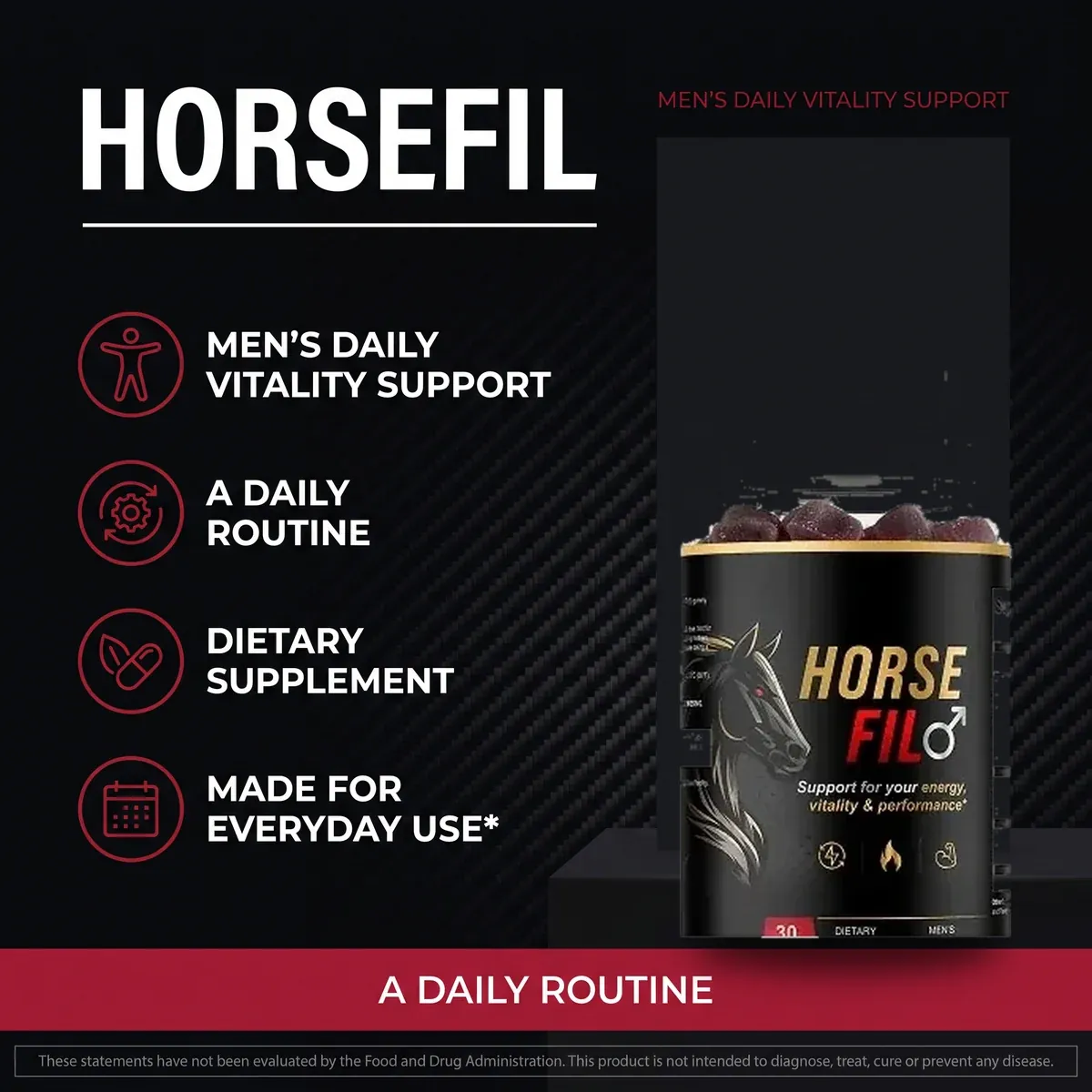
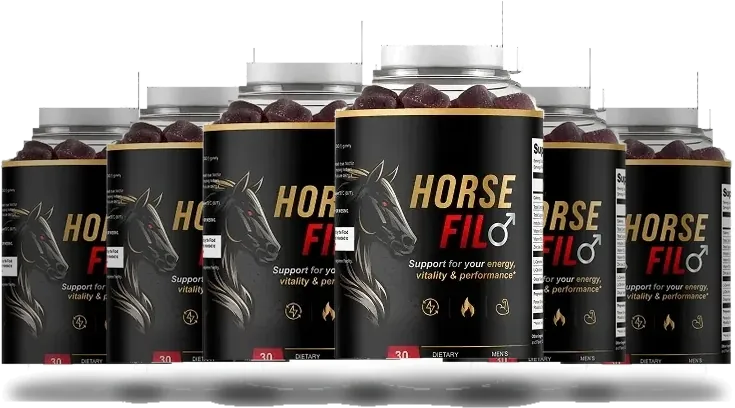
Where does that leave a gummy like HorseFil, which names both rhodiola and Panax ginseng among its six ingredients? Rhodiola's research dose, in the hundreds of milligrams, is realistic for a gummy to carry. Ginseng's research range runs wider, from roughly 600 milligrams to 3 grams, so a gummy is more likely to land at the low end, if it reaches research levels at all. HorseFil does not publish its amounts, so that comparison stops at "plausible" rather than "confirmed." Our full breakdown of that gap, and how gummies compare with capsules and powders generally, is in gummies vs. capsules vs. powders, and the citrulline-specific version of this same math is in how much L-citrulline studies actually use.
Bottom line: what actually moves the needle after 40?
The habits below the ingredient list are what determine most of your day-to-day energy after 40. Sleep, consistent movement, steady meals and lower background stress will do more for how you feel than any single supplement, gummy or otherwise. Rhodiola and ginseng have real, if modest, research behind them, and they make sense as an addition once the basics are in place, not as a substitute for them.
- Fix sleep and consistent movement first; they have the largest, best-documented effect
- Treat food as an energy lever you pull daily, not an occasional diet
- Lower background stress with small, repeatable habits, not one big change
- See rhodiola or ginseng research doses as a guide, and remember unpublished amounts in a gummy can't be checked against them
If you are weighing a product like HorseFil against these habits, its own pricing and pack details are on the pricing page, and the honest ingredient-by-ingredient dose comparison is on the HorseFil ingredients page.
Questions readers ask
What habits help energy the most after 40?
Consistent sleep, regular strength training and walking, steady meals with enough protein, and managing chronic stress. These four habits have the largest, best-documented effect on daily energy and stamina.
Does rhodiola actually help with fatigue?
A 4-week trial using 576 milligrams a day of a standardized extract improved fatigue and attention versus placebo in adults with stress-related fatigue. It is a real, modest effect, not an instant energy boost.
Is Panax ginseng proven to reduce fatigue?
A systematic review of 10 studies found modest evidence that ginseng can help with fatigue, with a low rate of side effects, but called for larger and higher-quality trials before drawing firm conclusions.
Why does energy drop off in your 40s?
It is usually not one cause. Sleep becomes lighter and easier to disrupt, muscle mass declines gradually without training to counter it, and work and family demands often stay the same or increase, so small habits matter more.
Can a supplement replace sleep and exercise for energy?
No. Every ingredient discussed here, including rhodiola and ginseng, was studied on top of normal life, not as a replacement for sleep, movement or diet. Supplements are an addition, not a substitute for the basics.
How long does it take to feel a difference from rhodiola or ginseng?
Trials on both ran for weeks, not days. The rhodiola fatigue trial measured its effect at 4 weeks, and ginseng research commonly ran several weeks as well, so a fair first checkpoint is closer to a month than a week.
Keep reading
Gummies vs Capsules
Gummies, capsules and powders each trade ease of use for dose. See what fits a gummy and what doesn't, with HorseFil as ...
Read →L-Citrulline Dose Research
L-citrulline studies use 1.5 to 8 grams a day, not milligrams. See the real research doses, cited, and whether a gummy c...
Read →How much does HorseFil cost?
Pack sizes, days of supply and how to pick the right one.
Read →Order HorseFil from the official U.S. shop
30 gummies per bottle, one a day. Packs run from $158 for 2 bottles to $294 for 6 bottles, with free shipping and a 60-day money-back guarantee. Questions first? Call +1 (302) 200-3480.