L-Citrulline Dose: How Much Do Research Studies Actually Use?
Human trials on L-citrulline used 1.5 grams a day for mild erectile dysfunction, roughly 3 to 6 grams for blood pressure, and 6 to 8 grams as a single pre-exercise dose. A whole gummy, base included, usually weighs only a few grams, so holding a full research dose of L-citrulline alongside other ingredients is a tight fit.
How much L-citrulline do studies actually use?
Most L-citrulline research uses somewhere between 1.5 and 8 grams a day, not milligrams. The exact number depends on what the study measured. Trials on mild erectile dysfunction and blood flow used the low end, around 1.5 grams a day. Trials on exercise performance leaned much higher, often 6 to 8 grams as a single pre-workout dose.
That range matters if you are comparing a supplement label to the research behind an ingredient. A milligram amount that looks generous on a bottle can still sit far below what a study actually tested.
Part of the spread comes down to form. Some trials use plain L-citrulline, a free amino acid. Others use citrulline malate, which pairs it with malic acid and is common in pre-workout products. Malate blends often get dosed higher in grams because part of the weight is the malic acid, not the citrulline itself. Neither form changes the core point here: both are measured in grams, and neither is designed to hide in a few hundred milligrams.
| Use studied | Typical dose in trials | How it was taken |
|---|---|---|
| Mild erectile dysfunction | 1.5 g/day | Once daily, for about a month |
| Blood pressure (pooled trials) | roughly 3-6 g/day | Daily, several weeks |
| Exercise performance | 6-8 g/day | Single dose, 30-60 minutes before training |
What do the L-citrulline studies actually find?
Blood flow and mild erectile dysfunction
A small crossover trial gave men with mild erectile dysfunction 1.5 grams of oral L-citrulline a day for a month. About half reported firmer erections, versus very few on placebo (Cormio et al., 2011). It was a short, small study, but it is the closest thing to a "low-dose, still worked" data point for this ingredient.
Exercise performance
Most performance research uses citrulline malate, a combined form, and doses climb fast. A 2026 systematic review and meta-analysis pooled trials using citrulline malate as an acute pre-exercise dose, commonly 6 to 8 grams, and found small improvements in exercise output, though the certainty of that evidence was rated low to very low (Wang et al., 2026).
Blood pressure, in the middle
A 2018 meta-analysis of five clinical trials pooled doses around 3 to 6 grams a day and found no significant average change in blood pressure (Mirenayat et al., 2018). That result is a useful check on the hype: even at gram-level doses, the blood pressure effect was not clearly there on average, and citrulline still shares a pathway with blood pressure medicines and PDE5 inhibitors, which is why it carries a caution for people on those drugs.
Notice the pattern across all three: every trial worth citing picked a specific gram amount and stuck to it for weeks, or used one large acute dose right before exercise. None of them tested a fraction of a gram, because researchers designing a citrulline trial start from the same physiology, more substrate should mean more nitric oxide, so they dose high enough to actually test that idea.
Can a gummy actually hold a research dose of L-citrulline?
A single gummy typically weighs somewhere in the low single-digit grams, base included. Sugar, gelatin or pectin, color and flavor take up most of that weight before any active ingredient is counted. That is the math problem for any gummy that wants to deliver a gram-level dose of anything.
Put the two numbers side by side. A research dose of L-citrulline starts at 1.5 grams and can run to 8 grams. A gummy, whole, often weighs 2 to 5 grams. If a gummy carried 1.5 grams of just L-citrulline, that ingredient alone would be a large share of the entire gummy, leaving little room for the other five named ingredients, plus the sugar and gelling agent that make it a gummy in the first place.
This is not unique to L-citrulline. It is a structural limit of the gummy format itself. A capsule can be packed almost entirely with active powder, and a drink mix can carry 10 grams without anyone noticing the volume. A gummy has to stay chewable, hold its shape, and taste like something a person will swallow daily, which means sugar, gelatin or pectin, water, color and flavor claim most of the recipe before the label even gets to the ingredients most people came for.
| Format | Typical serving size | Can it reach 1.5-8 g of one ingredient? |
|---|---|---|
| One gummy | 2-5 g, base included | Unlikely, especially past 1.5 g |
| Capsules (2-4 per serving) | 1-2 g of powder total | Only near the low end, and needs several capsules |
| Powder scoop | 3-10 g of powder | Yes, this format is built for gram doses |
Where does HorseFil fit into this?
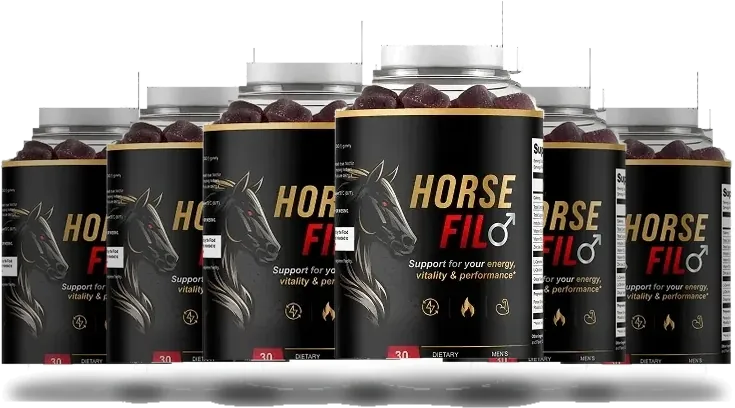
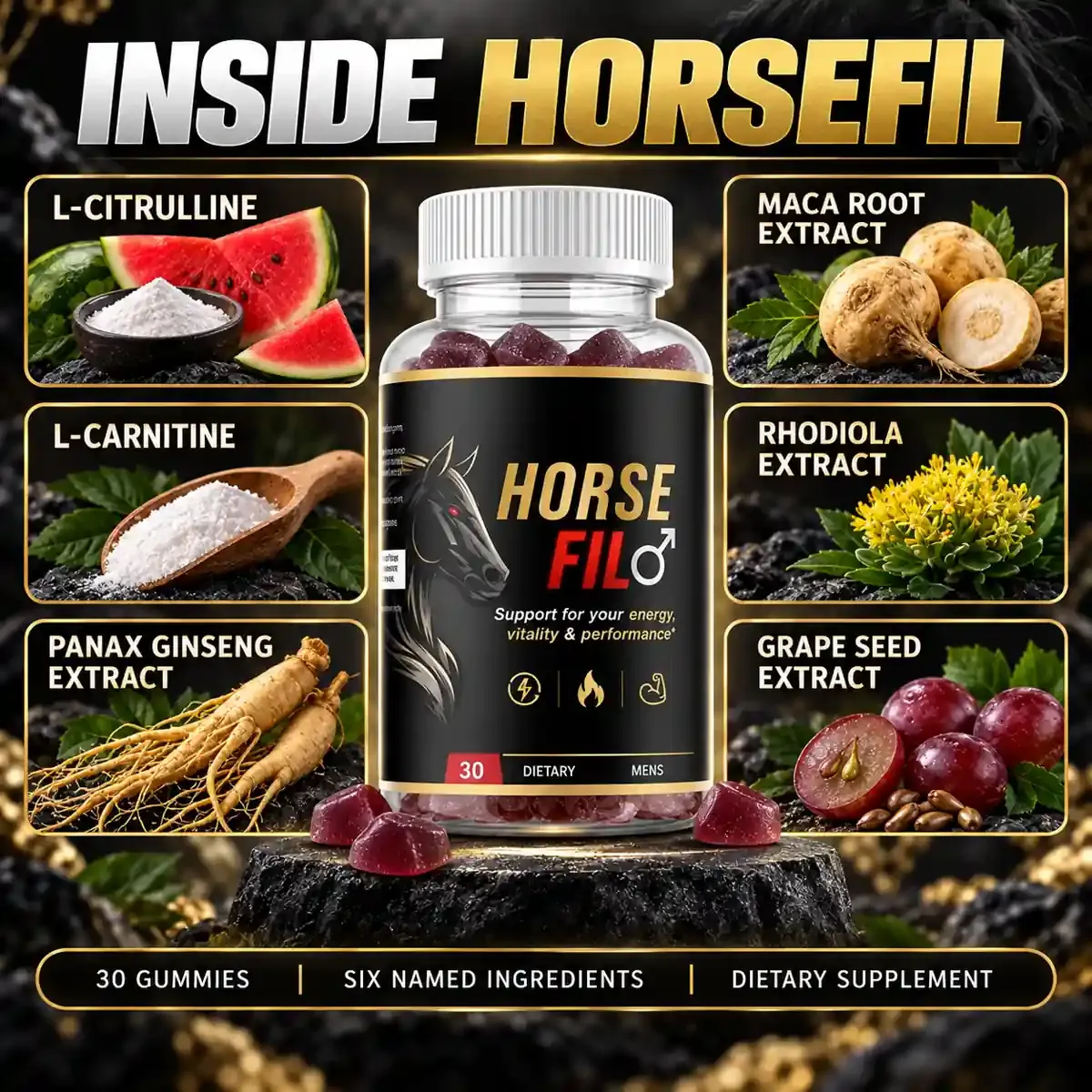
HorseFil is a gummy that names L-citrulline as one of six ingredients, and it does not publish how much of it is inside. The Supplement Facts panel in the product photos is too small to read, and the sales page lists no milligram amounts. So this is not a case where HorseFil under-doses a published number. There is no published number to compare against.
What can be said, honestly, is the same math shown above: one gummy, shared six ways with sugar and gelling agent besides, is unlikely to reach 1.5 grams of L-citrulline alone, let alone the 6 to 8 grams used in performance trials. Our HorseFil ingredients page walks through all six ingredients the same way, and the how HorseFil works page covers the three jobs the ingredients are picked for.
That does not make HorseFil unusual among gummy supplements; it makes it typical. Most gummy vitality products name ingredients without amounts, for the same reason: a gummy that actually hit gram-level doses of citrulline, carnitine and maca would be large, chalky, and hard to swallow. The trade a shopper makes with any gummy is ease of use for a smaller, unstated amount of each active ingredient. Whether that trade is worth it depends on what you actually want from the product.
Is L-citrulline safe at research doses?
L-citrulline raises nitric oxide, which relaxes blood vessels. That is the same pathway used by nitrate medications and PDE5 inhibitors such as sildenafil or tadalafil. The 2018 meta-analysis found no significant average blood pressure change from citrulline alone (Mirenayat et al., 2018), but people already on blood pressure medicine, nitrates, or ED drugs should still ask a doctor before adding it, since combining nitric-oxide-boosting supplements with those medicines can add to their effect.
Reported side effects in trials were mild, things like stomach upset at higher doses. No trial reviewed here reported serious harm at 1.5 to 8 grams a day. The bigger open question is not safety, it is whether a specific product gets anywhere near those amounts in the first place.
Bottom line: what should you actually look for?
The short version: L-citrulline research uses grams, not milligrams, and most gummies are not built to carry grams. If a product does not publish its amount, treat "L-citrulline" on the label as a name, not a dose, until you see a number.
- Ask for the milligram amount before assuming a label dose matches research
- Remember low-dose research (1.5 g) still used more than most gummies can hold
- A powder scoop is the easiest format for a true gram-level dose
- Judge any product on what it discloses, not on the ingredient name alone
For a wider look at formats, see our piece on gummies vs. capsules vs. powders. And if energy is the real goal, daily habits usually move the needle more than any single ingredient dose; see energy habits after 40. Full pack prices for HorseFil are on the pricing page.
Questions readers ask
How much L-citrulline should I take a day?
Research most often used 1.5 grams a day for blood flow and mild erectile dysfunction, and 6 to 8 grams as a single pre-exercise dose for performance. There is no single official daily amount; it depends on the goal.
Is 1.5 grams of L-citrulline enough to work?
It is the lowest dose with a positive result in the trials reviewed here, from a small month-long study in men with mild erectile dysfunction. Larger, longer trials would help confirm it.
Can a gummy contain a full research dose of L-citrulline?
It is unlikely. A whole gummy usually weighs a few grams including sugar and gelling agent, so fitting 1.5 to 8 grams of just one ingredient, alongside five others, is a tight squeeze at best.
Does HorseFil publish its L-citrulline amount?
No. HorseFil names L-citrulline as one of six ingredients, but the sales page and product photos do not show milligram amounts for any of them.
Is L-citrulline safe to take with blood pressure medicine?
Ask a doctor first. L-citrulline works through the same nitric-oxide pathway as some blood pressure drugs, nitrates and PDE5 inhibitors, so combining them needs medical guidance even though average blood-pressure effects in trials were not significant.
What format gives the most reliable L-citrulline dose?
A powder scoop, since it is designed to carry 3 to 10 grams per serving and usually prints the exact amount. Capsules can work near the low end if you take enough of them and the label states the dose.
Keep reading
Energy Habits After 40
Sleep, training, food and stress do more for energy after 40 than any supplement. See where rhodiola and ginseng researc...
Read →Gummies vs Capsules
Gummies, capsules and powders each trade ease of use for dose. See what fits a gummy and what doesn't, with HorseFil as ...
Read →How much does HorseFil cost?
Pack sizes, days of supply and how to pick the right one.
Read →Order HorseFil from the official U.S. shop
30 gummies per bottle, one a day. Packs run from $158 for 2 bottles to $294 for 6 bottles, with free shipping and a 60-day money-back guarantee. Questions first? Call +1 (302) 200-3480.