Testosterone Booster Cost Per Month, Explained
The sticker price on the bottle is the least useful number in the whole decision. Here is how to work out what you are really paying per effective serving — and how to sidestep the traps that inflate the bill.

Quick answer: how much should a testosterone booster cost per month?
A fair testosterone booster cost is roughly thirty to seventy dollars a month at doses that actually match the research. Below about twenty dollars a month you are usually buying underdosed filler; well above seventy you are often paying for marketing rather than better ingredients. The honest comparison is cost per clinically dosed serving, not the price on the bottle, and you should budget a two-to-three month supply to judge whether it works.
- Divide, don't glance. Cost per effective serving beats sticker price every time.
- Cheap can be the expensive option. An underdosed bargain that does nothing is money entirely wasted.
- Watch the auto-ship. A low first-order price often hides a recurring charge that is hard to cancel.
Ask what a testosterone booster costs and you will get a price. Ask what it costs per month at a dose that does anything, and most products go quiet. That gap is the entire subject of this article, because the sticker price is close to useless on its own. A thirty-dollar bottle can be dreadful value and a sixty-dollar bottle can be a bargain, depending on a single thing almost nobody calculates: how much of the ingredient that matters you are actually getting for the money.
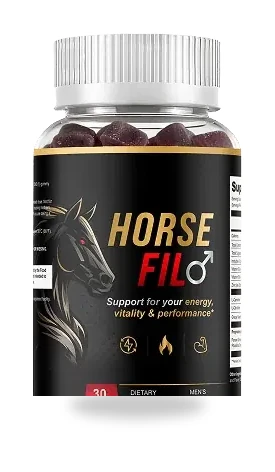
We are an independent publisher covering HorseFil, and we are not going to pretend a supplement is a miracle or that price alone tells you whether one is worth buying. What we will do is hand you the arithmetic the industry hopes you never do, so you can walk past both the overpriced and the underdosed with equal confidence.
The only number that matters: cost per clinically dosed serving
Forget the price on the front of the bottle for a moment. The figure that decides value is cost per serving — and specifically per serving that contains research-relevant doses. Work it out in three steps.
Step one: find the servings per container. This is on the label. A bottle might hold thirty servings, sixty, or ninety, and two bottles at the same price can differ two- or three-fold here alone.
Step two: divide price by servings. A sixty-dollar bottle with sixty servings is a dollar a serving. A thirty-dollar bottle with fifteen servings is two dollars a serving — twice the cost per dose despite the lower sticker price. This single division reverses the "cheaper" ranking more often than you would expect.
Step three — the one nobody does: check the dose is real. A serving is only worth counting if it contains a meaningful amount of the active ingredient. A capsule with a token sprinkle of citrulline buried in a proprietary blend is a cheap serving of nothing, and nothing is never good value. Matching label amounts to study amounts is the filter that makes the whole calculation honest, and we walk through exactly how to do it in dose-matching a testosterone booster to real study amounts.
Do those three steps and the market reorganises itself in front of you. The apparent bargains often turn out to be the worst value once you account for dose, and some mid-priced products turn out to be the sensible buy.
Why cheap is often the expensive choice
The instinct to buy the cheapest option is reasonable everywhere except here. With a testosterone booster, an underdosed product is not a smaller version of a good one — it is a different product that happens to share a name. If the citrulline, ginseng or maca inside is present at a fraction of the studied amount, the realistic expectation is that it does nothing measurable, and a bottle that does nothing is a total loss no matter how little it cost.
That is the real trap of the bargain bin. You do not save money; you spend a little to receive nothing, then either give up on the whole category or start again with a better product, having paid twice. The frugal move is not the lowest price — it is the lowest cost per effective serving, and those are very different numbers. Cheap fillers, fairy-dust proprietary blends and huge serving counts that only look generous until you read the per-capsule doses are all ways of making a product look inexpensive while quietly removing the part you were paying for.
Underdosed is not a discount. It is paying a small amount to guarantee you get nothing, which is the most expensive outcome of all.
The subscription and auto-ship trap
The second way your monthly cost gets inflated has nothing to do with ingredients. It is the checkout. A very common pattern advertises a low first-order price — sometimes strikingly low — and then quietly enrols you in a recurring shipment at a higher rate, billed on an interval that is easy to forget and often hard to cancel. The headline number that got you to click is not the number you end up paying month after month.
Protecting yourself is simple but requires reading the part of the page most people skip. Before you buy, find three things in writing: the recurring price, the billing interval, and the exact cancellation method. If any of the three is vague, missing, or buried, treat that vagueness as the answer and prefer a plain one-time purchase instead. A transparent store will state its terms plainly; one that hides them is telling you something. When in doubt, a straightforward multi-bottle order you pay for once beats a "discounted" subscription you cannot easily leave.
Buy enough to judge it fairly
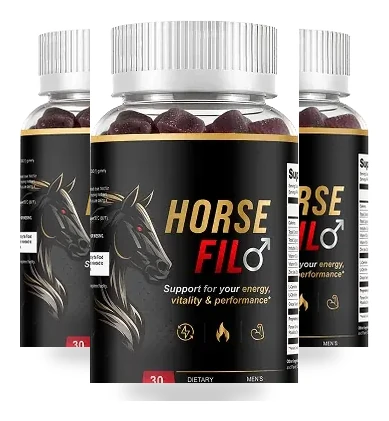
Natural formulas build over roughly eight to twelve weeks, so a single bottle rarely covers a fair trial. A two-to-three month supply usually lowers the cost per serving and gives you the runway to actually assess it. HorseFil is the men's energy and vitality formula this site covers; the official store lists its current multi-bottle pricing, whether each option is a one-time purchase, and its own guarantee terms — check all three before you commit.
See Current Pricing at the Official StoreAd · independent affiliate page · confirm every price and term on the store's own checkout
Are expensive testosterone boosters worth it?
Sometimes — but the price by itself tells you almost nothing, in either direction. A higher cost is only justified if the extra money buys things that matter: clinically meaningful doses, third-party testing for identity and purity, clean sourcing, and a full transparent label. Those are real costs a serious manufacturer incurs, and they are worth paying for. What is not worth paying for is glossy packaging, a celebrity association, or a proprietary blend that hides token doses behind an impressive-sounding name.
So the question is never "is this the expensive one?" but "what is the extra money buying?" A transparent, research-matched product at a mid price beats a premium-priced blend that conceals its doses every time. If you want the framework for judging manufacturing quality specifically, we lay it out in the basics of third-party testing and GMP, which is the part of "worth it" that has nothing to do with the marketing.
How many months should you actually budget for?
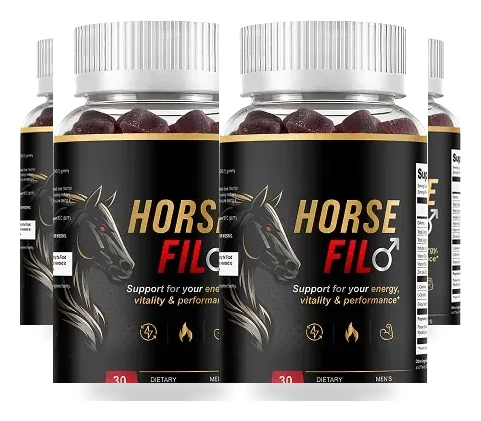
Plan for two to three months, not one. This is not an upsell; it is how the biology works. Natural formulas — circulation, energy and adaptogen ingredients rather than drugs — build gradually over roughly eight to twelve weeks, and a single thirty-day bottle rarely covers a fair trial. Buy one bottle and you are almost guaranteed to reach the end still unsure, which tends to produce either a premature "it didn't work" or a hasty reorder at a worse price.
A multi-bottle supply solves two problems at once. It gives you enough runway to actually judge the product over the window where any effect would appear, and it usually lowers the cost per serving compared with buying single bottles repeatedly. The only caveats are the ones already covered: make sure the bundle is a genuine one-time purchase rather than an auto-ship enrolment, and confirm the guarantee terms before you commit, so that if it does nothing for you, the downside is capped. This also pairs naturally with getting the free fundamentals right first — the sleep, training and body-fat levers we cover in the natural ways to increase testosterone — because a supplement is far easier to evaluate honestly when the foundation underneath it is already solid.
A worked example of the arithmetic
Put it together with a simple, illustrative comparison — the figures here are examples to show the method, not quoted prices for any product. Bottle A costs twenty-five dollars for thirty servings, but each serving carries only a quarter of the studied dose. Bottle B costs fifty-five dollars for thirty servings at the full studied dose. At a glance, A is "half the price." Do the arithmetic and A is roughly eighty-three cents for a quarter-dose serving, while B is about a dollar-eighty-three for a full-dose serving — meaning A actually costs more than three dollars per full-dose equivalent, comfortably worse value than B despite the lower sticker. This is the calculation the sticker price is designed to stop you doing, and it is why "cost per month" is meaningless until you attach it to a real dose.
The habit to build is boring and powerful: divide, then check the dose is real, then compare. It takes two minutes, it survives every marketing tactic in the category, and it is the single most valuable skill you can bring to this shelf. For the money side of a wider buying decision, our 2026 testosterone booster buyer's guide puts price alongside the other factors worth weighing.
Check Current Pricing at the Official Store See the pricing overview

Related reading
Frequently asked questions
How much do testosterone boosters cost per month?
Quality testosterone boosters generally run about thirty to seventy dollars a month at the doses that actually match research. Products under twenty dollars a month are usually underdosed or padded with cheap fillers, and products well above seventy dollars are often paying for marketing rather than better ingredients. The honest way to compare is cost per clinically dosed serving, not the sticker price on the bottle.
Are expensive testosterone boosters worth it?
Sometimes, but price alone tells you almost nothing. A pricier product is only worth it if the extra cost buys clinically meaningful doses, third-party testing and clean sourcing rather than glossy marketing and a proprietary blend. A cheaper product with transparent, research-matched doses beats an expensive one that hides token amounts inside a blend. Judge value by cost per effective serving, not by the number on the label.
How do I avoid supplement subscription traps?
Read the checkout, not just the headline price. Auto-ship traps work by advertising a low first-order price, then enrolling you in recurring shipments at a higher rate that are hard to cancel. Before you buy, find the recurring price, the billing interval and the cancellation method in writing, and prefer a plain one-time multi-bottle purchase if the subscription terms are vague. If you cannot find clear cancellation terms, treat that as the answer.
How many months should I buy to see results?
Budget for a two-to-three month supply, because natural formulas build over roughly eight to twelve weeks and a single bottle rarely covers a fair trial. Buying a multi-bottle bundle usually lowers the cost per serving and gives you enough runway to actually judge whether it does anything. Just make sure the bundle is a one-time purchase and not an auto-ship enrolment, and confirm the guarantee terms before you commit.
Where to check this yourself
- FTC — negative-option and subscription marketing guidance
- NIH Office of Dietary Supplements — ingredient fact sheets
- FDA — information for consumers on using dietary supplements
- ConsumerLab — independent supplement testing
- PubMed — published work on dose and dietary supplement efficacy
These are standing reference resources rather than citations of individual trials. We point you at the bodies that maintain the evidence summaries so you can check the current position yourself, rather than at a snapshot that ages.